
Blueberries: Nutrition Facts, Benefits and What Research Really Shows
In short
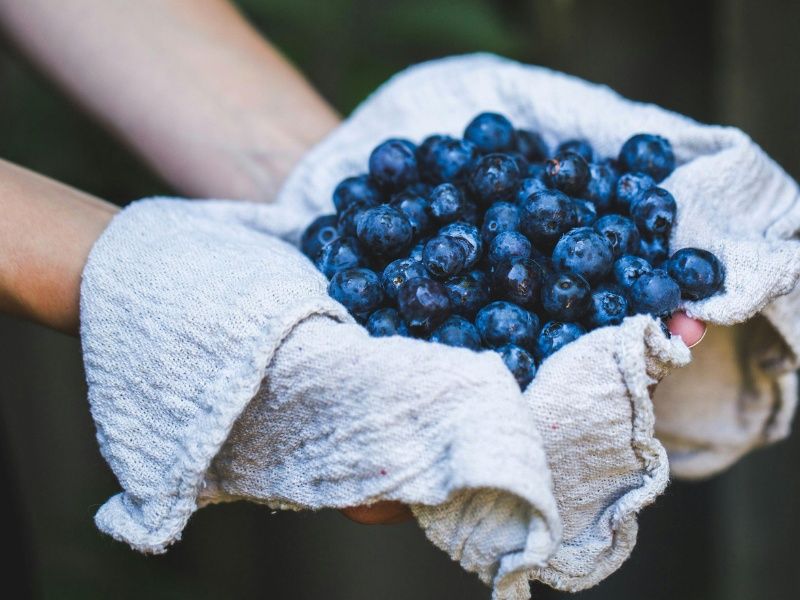
One cup of blueberries (about 148 g) gives you about 84 calories and 3.6 g of fiber, plus vitamin C and manganese. Small human studies have found changes in some health markers, but they do not show that blueberries prevent disease. These juicy, sweet berries were among the first fruits to earn the name “superfood”; let's see how to enjoy them fresh or frozen.
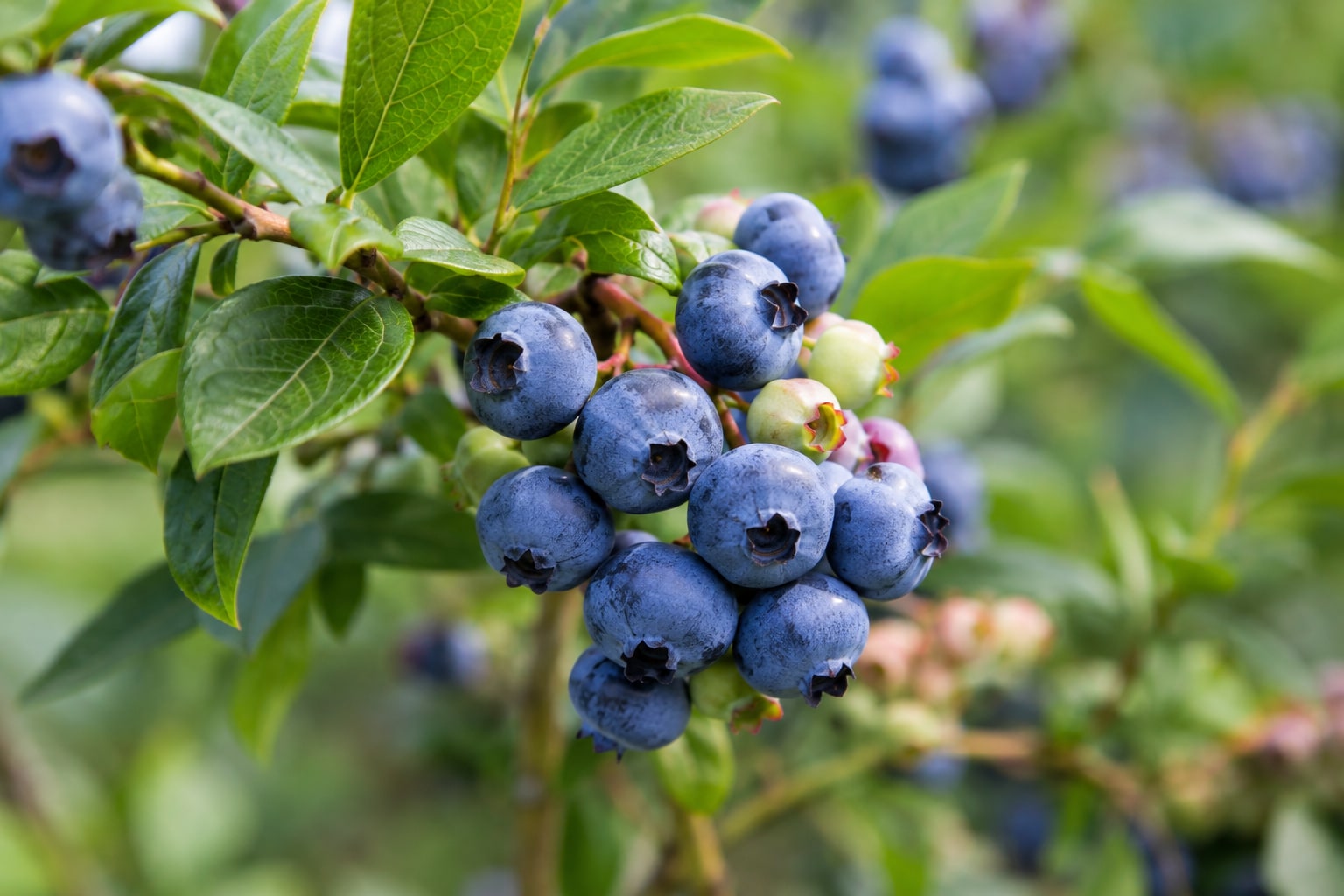
There are many varieties growing in different parts of the world. The berries grow in clusters on a blueberry bush. They are round, blue-purple berries about 5 to 16 mm across (about 0.2 to 0.6 in).
They have their own gentle flavor and special sweetness that does not overpower a dish. Cultivated blueberries tend to be sweeter than wild ones, but both have thin skin and tiny seeds. Add them to a sweet or savory recipe for an unexpected burst of flavor. Here is what you should know about this wonderful fruit.
Blueberries' nutritional value
These fruits are a wonderful source of nutrients. One cup is about 148 g (about 5 oz). The table gives rounded USDA values for raw blueberries per cup and per 100 g, with current FDA Daily Values.
| Nutrient | Per 100 g (3.5 oz) | Per cup (148 g) | % Daily Value per cup |
|---|---|---|---|
| Calories | about 57 kcal | about 84 kcal | - |
| Carbohydrates | about 14.5 g | about 21 g | - |
| of which sugars (natural) | about 10 g | about 15 g | - |
| Fiber | about 2.4 g | about 3.6 g | about 13% |
| Protein | about 0.7 g | about 1.1 g | - |
| Fat | about 0.3 g | about 0.5 g | - |
| Vitamin C | about 9.7 mg | about 14 mg | about 16% |
| Vitamin K | about 19 mcg | about 29 mcg | about 24% |
| Manganese | about 0.34 mg | about 0.5 mg | about 22% |
| Potassium | about 77 mg | about 114 mg | about 2% |
| Folate | about 6 mcg | about 9 mcg | about 2% |
Here is why those nutrients matter:
- Fiber is the part of a carbohydrate you can't digest. It supports regular digestion and helps a meal keep you full.
- Vitamin K helps your body make the proteins it needs for blood clotting. This is why people on some blood thinners should read the caution further down.
- Vitamin C works as an antioxidant, helps your body absorb iron from plant foods, and is needed for healthy skin, blood vessels and bones.
- Manganese is needed in tiny amounts. It takes part in many processes, such as building tissue and bone and turning the protein, carbohydrate and fat in your food into energy.
- Potassium helps your muscles and nerves work normally, including your heart muscle. One cup gives only a small share of what you need.
- Folate helps your body make red blood cells, which carry oxygen and take carbon dioxide away.
The health benefits of blueberries
Rich in antioxidants
Blueberries are rich in plant compounds called anthocyanins, which give them their blue color. In the lab, these compounds act as antioxidants against free radicals, unstable molecules linked with aging and disease. A 2020 review by Kalt and colleagues describes promising observations, while noting that we still need more human clinical evidence before treating those effects as proven benefits from eating blueberries.
Rich in vitamin C
Like many berries, blueberries contain vitamin C. It helps keep cells, skin, blood vessels and bones healthy and helps your body absorb iron. Your body needs vitamin C from food regularly; a handful of blueberries is a tasty, enjoyable way to add some. One cup gives about 16% of the current Daily Value.
Rich in manganese
Blueberries also give you manganese. You need only a tiny amount, but it takes part in building tissue and bone and turning protein, carbohydrates and fat from food into energy. A cup gives about 22% of the current Daily Value.
Studies on blueberries
The fruit attracts plenty of big headlines. Here are the human findings behind the most common ones, with their limits.
Can blueberries lower cholesterol?
In a six-month trial by Curtis and colleagues, 115 adults with metabolic syndrome had blueberry powder equal to half a cup or one cup of fresh berries, or a placebo, each day. The one-cup group had a small rise in “good” HDL cholesterol among people who were not taking statins; several other markers did not change. This does not show that an ordinary serving of blueberries lowers “bad” LDL cholesterol.
Can blueberries reduce heart-attack risk?
In that same trial, the one-cup group had better blood-vessel function and slightly less arterial stiffness. Half a cup showed no benefit on the measured markers. The researchers did not measure heart attacks or strokes, so I would not promise that blueberries prevent either one.
Can blueberries lower blood pressure?
In an eight-week study by Basu and colleagues, 48 adults with obesity and metabolic syndrome drank a beverage made with 50 g of freeze-dried blueberries a day, roughly equal to 350 g of fresh fruit. Blood pressure fell by about 4–6%, more than in the water-drinking comparison group. Another small eight-week trial by Johnson and colleagues in postmenopausal women found a drop, but the six-month trial above found no blood-pressure change. These are small, mixed studies, not a promise for your own reading.
What about memory?
In a small study by Krikorian and colleagues, nine older adults with early memory changes drank wild-blueberry juice daily for 12 weeks and improved on two memory tests. The comparison group came from a separate trial. I find the result interesting, but it is preliminary.
What about cancer?
Anthocyanins are being studied, but the human research in the sources below does not show that eating blueberries prevents cancer. I would enjoy them as fruit, without making that promise.
Uses in traditional medicine
Demand for blueberries has grown over the last two decades because of their nutritional appeal. Wild berries, including the closely related European bilberry, have a much longer history in folk medicine. Dried berries were boiled for tea against diarrhea and for sore mouths and throats. That is a piece of history, not proof that the remedy works.
There is also the World War II story of British Royal Air Force pilots eating berries to see better at night. It is usually told about bilberries. A systematic review by Canter and Ernst found that the most rigorous trials did not support better night vision in people with normal eyesight.
How many blueberries should you eat a day?
One cup a day (about 150 g, or about 5 oz) is an easy amount to try if you enjoy blueberries. That was the larger serving in the six-month study above, which found changes in some heart-health markers but did not measure whether anyone avoided heart disease. There is no required daily amount; I would also make room for other fruits you enjoy.
What is the best way to eat blueberries?
You can buy blueberries fresh, dried or frozen. There are so many ways to include them in your diet. Here are a few ideas for inspiration:
- Sprinkle them on a salad for a sweet touch.
- Add them to protein pancakes.
- Blend them into smoothies.
- Scatter them over breakfast cereal or oatmeal.
- Layer them with yogurt and granola for a simple dessert or snack.
- Bake blueberry muffins.
- Make a blueberry cake.
For a quick post-training snack, I like the idea of Greek yogurt with blueberries and a spoonful of oats. For more on carbohydrates around training, see carbohydrates and high-carb foods.
When are fresh blueberries in season, and should you buy them frozen?
Fresh blueberries are at their best and cheapest in summer; the rest of the year they are usually imported.
When you choose fresh blueberries, look for berries that are firm and dry, with smooth skin and a deep blue color. Reddish berries are not ripe yet, and they won't ripen after picking, but you can still cook with them. Avoid berries that are soft or shriveled, and of course any with mold.
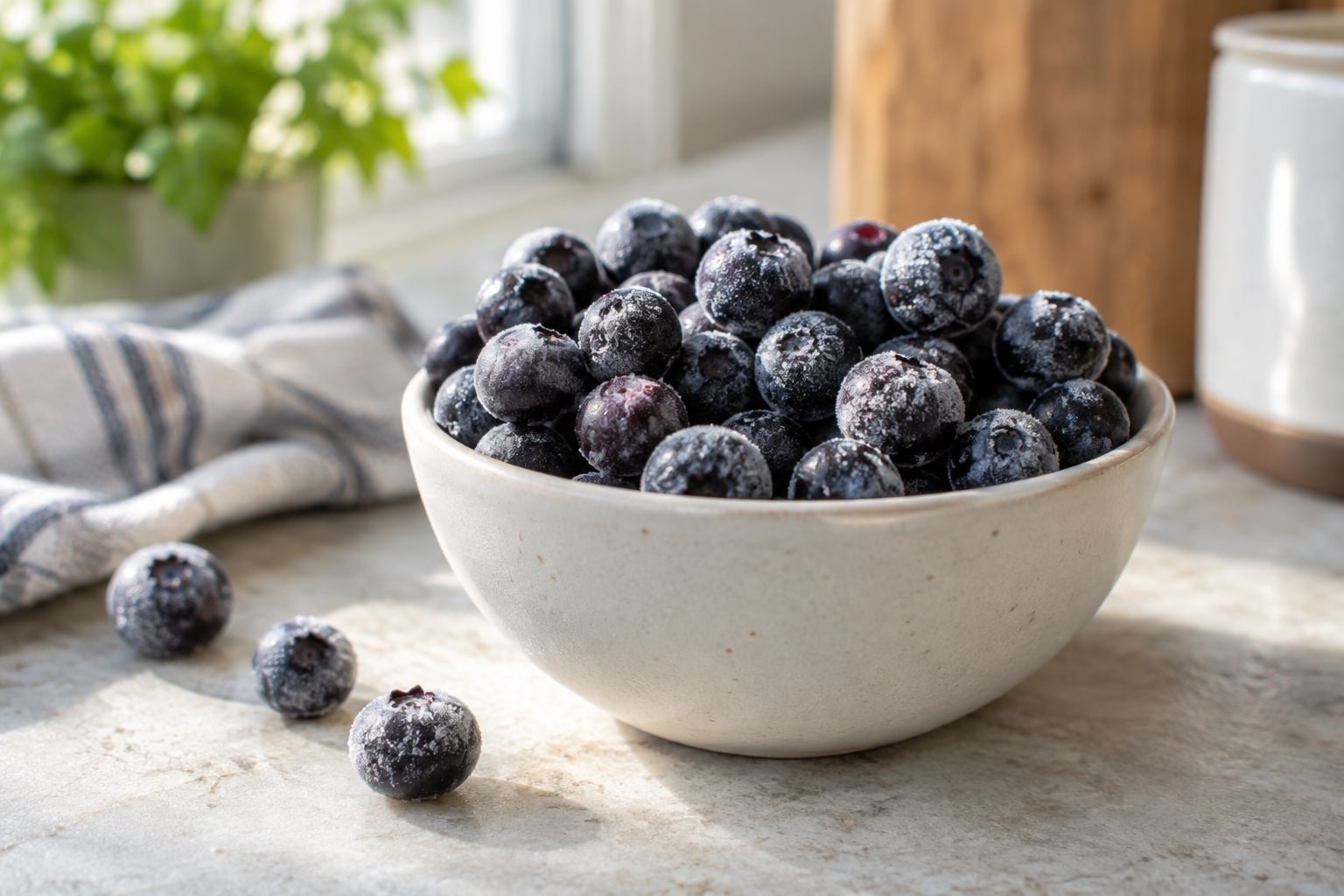
Out of season, fresh blueberries can be one of the more expensive fruits. My economical choice is frozen blueberries: they are excellent in smoothies, baked goods and even over overnight oats. They are usually picked when ripe. In a study by Bouzari and colleagues comparing eight fresh and frozen fruits and vegetables, including blueberries, the frozen produce kept similar vitamin levels, sometimes higher.
How do you eat frozen blueberries?
Frozen blueberries thaw easily, and you eat them just like fresh ones. Often you don't need to thaw them at all: they go straight into smoothies, oatmeal and batter. To thaw them in the microwave:
- Line a microwave-safe plate with two layers of paper towel.
- Spread the berries evenly on the plate.
- Run the microwave on the defrost setting for 30 seconds, then check.
- Defrost for another 30 seconds and repeat, up to about 2 minutes in total, until the berries are fully thawed.
- Don't leave them in longer than needed, or they will cook.
- Take out the plate and lift the berries off the paper towel.
Are there risks in eating blueberries?
Given the healthy nature of blueberries, it may be hard to imagine any risks. Still, they are not the right choice for everyone.
- Blood thinners: blueberries contain vitamin K. If you take warfarin, keep your intake of vitamin K foods steady from week to week rather than suddenly eating far more or less; the MedlinePlus source below explains why.
- Salicylate sensitivity: if blueberries have caused a reaction for you before, skip them.
- Pollen allergy: some people react to raw fruit with an itchy, burning or tingling mouth. The allergy source below describes this as oral allergy syndrome, although it does not list blueberries among the usual triggers. If blueberries cause a reaction, stop eating them. If your throat swells or breathing becomes difficult, get emergency help.
Bottom line
They are not called a superfood for nothing, you know. Blueberries give you vitamin C, manganese and fiber, plus a sweet treat for relatively few calories. I enjoy them for those everyday reasons, while researchers continue to study their anthocyanins.
Whether you add them to desserts or eat them as they are, I'm sure you will fall in love with this sweet fruit and find plenty of ways to add blueberries to your shopping list.
Frequently asked questions
Are blueberries good for you?
Yes, they fit well into a balanced diet: a cup has about 84 kcal, about 3.6 g of fiber, and useful amounts of vitamin C, vitamin K and manganese. Human studies on specific health effects are small or mixed, so think of them as one good fruit among many.
How many calories are in a cup of blueberries?
About 84 kcal in a cup (148 g) of raw blueberries, or about 57 kcal per 100 g.
Are frozen blueberries as healthy as fresh?
Plain frozen blueberries are just as healthy as fresh ones, and a practical choice when fresh berries are expensive or out of season. Add them to a smoothie, oatmeal or baking, just as you would fresh berries.
Are blueberries high in sugar?
A cup has about 15 g of natural sugar, along with fiber and water. Fresh or frozen plain blueberries are a moderate choice; dried and sweetened ones have much more sugar for the same weight.
Are blueberries good for your heart or your brain?
Some small or short studies found changes in blood-vessel function or memory tests. They do not show that blueberries prevent heart disease or memory loss. I would eat them because I enjoy them, without expecting a guaranteed result.
The information on this page and on this website is intended to provide general information only. The content on this website does not constitute a professional opinion, a recommendation, or a substitute for consulting an expert in a specific field or obtaining a medical opinion. This article is written for healthy adults. It is not medical advice, not dietetic advice and not a personal diet plan. If you have a health condition, a food allergy, are pregnant or breastfeeding, are under 18, or take medication, talk to a doctor or a registered dietitian before changing what you eat.
Sources
Accessed September 18, 2026.
- USDA Agricultural Research Service, FoodData Central, "Blueberries, raw", SR Legacy, FDC ID 171711 (per 100 g; 1 cup = 148 g). fdc.nal.usda.gov/food-details/171711/nutrients
- US Food and Drug Administration, "Daily Value on the Nutrition and Supplement Facts Labels" (content current as of 2024-03-05). www.fda.gov/food/nutrition-facts-label/daily-value-nutrition-and-supplement-facts-labels
- Kalt W. et al., "Recent Research on the Health Benefits of Blueberries and Their Anthocyanins", Adv Nutr 2020;11(2):224-236. pubmed.ncbi.nlm.nih.gov/31329250
- Basu A. et al., "Blueberries decrease cardiovascular risk factors in obese men and women with metabolic syndrome", J Nutr 2010;140(9):1582-1587. pubmed.ncbi.nlm.nih.gov/20660279
- Johnson S.A. et al., "Daily blueberry consumption improves blood pressure and arterial stiffness in postmenopausal women with pre- and stage 1-hypertension: a randomized, double-blind, placebo-controlled clinical trial", J Acad Nutr Diet 2015;115(3):369-377. pubmed.ncbi.nlm.nih.gov/25578927
- Curtis P.J. et al., "Blueberries improve biomarkers of cardiometabolic function in participants with metabolic syndrome: results from a 6-month, double-blind, randomized controlled trial", Am J Clin Nutr 2019;109(6):1535-1545. pubmed.ncbi.nlm.nih.gov/31136659
- Krikorian R. et al., "Blueberry supplementation improves memory in older adults", J Agric Food Chem 2010;58(7):3996-4000. pubmed.ncbi.nlm.nih.gov/20047325
- Canter P.H., Ernst E., "Anthocyanosides of Vaccinium myrtillus (bilberry) for night vision: a systematic review of placebo-controlled trials", Surv Ophthalmol 2004;49(1):38-50. pubmed.ncbi.nlm.nih.gov/14711439
- Bouzari A. et al., "Vitamin retention in eight fruits and vegetables: a comparison of refrigerated and frozen storage", J Agric Food Chem 2015;63(3):957-962. pubmed.ncbi.nlm.nih.gov/25526594
- MedlinePlus (US National Library of Medicine), "Warfarin", special dietary instructions (last revised 2026-03-15). medlineplus.gov/druginfo/meds/a682277.html
- American Academy of Allergy, Asthma and Immunology, "Oral Allergy Syndrome (OAS)". www.aaaai.org/tools-for-the-public/conditions-library/allergies/oral-allergy-syndrome-(oas)