
The 15 Best Foods to Build Muscle (and Easy Ways to Eat Enough)
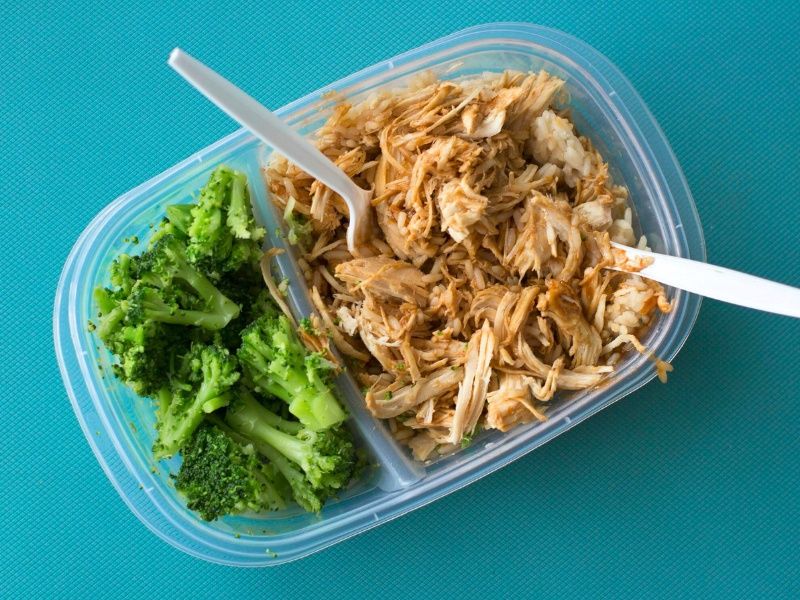
In short
Looking for foods to build muscle? Start with protein foods such as meat, chicken breast, salmon, eggs and soy; add carbohydrates such as pasta, rice, sweet potatoes, oats and fruit; and make room for fats from almonds, olive oil, avocado, dark chocolate and peanut butter. To build muscle, you need enough calories and nutrients alongside a training plan that fits your goals.
These are the foods I would keep in mind when eating for a mass phase. If eating enough is a struggle, I have included simple ways to put them together.
Quick list of foods to build muscle
Values are per 100 g and rounded, from USDA FoodData Central (entries in the Sources list).
| Food | Group | About per 100 g | Why it is on the list |
|---|---|---|---|
| Lean beef, such as sirloin (cooked) | protein | 31 g protein, 185 kcal | protein plus iron, zinc, B12 |
| Chicken breast (cooked) | protein | 31 g protein, 165 kcal | lean, easy to cook |
| Salmon (farmed, cooked) | protein + fat | 22 g protein, 12 g fat, 206 kcal | protein, omega-3 fats, vitamin D |
| Eggs (whole) | protein + fat | 13 g protein, 143 kcal | quick, versatile, whole-food protein |
| Soy foods (firm tofu) | protein | 17 g protein, 144 kcal | complete plant protein |
| Pasta (cooked) | carbs | 31 g carbs, 160 kcal | easy to eat a big plate |
| Rice (cooked) | carbs | 28 g carbs, 130 kcal | goes with almost any protein |
| Sweet potato (baked) | carbs | 21 g carbs, 3 g fiber, 90 kcal | fiber, potassium, natural sweetness |
| Oats (dry) | carbs | 68 g carbs, 13 g protein, 379 kcal | breakfast and shake base |
| Fruit (banana) | carbs | 23 g carbs, 89 kcal | snack between meals |
| Almonds | fat | 50 g fat, 21 g protein, 579 kcal | energy in a handful |
| Olive oil | fat | 100 g fat, 885 kcal | adds energy to meals |
| Avocado | fat | 15 g fat, 7 g fiber, 160 kcal | fits almost every meal |
| Dark chocolate (over 75% cocoa) | fat | varies by bar | a treat in moderation |
| Peanut butter | fat | 51 g fat, 22 g protein, 600 kcal | spreads, shakes, snacks |
Protein foods for building muscle
Protein gives your body building material for muscle. The International Society of Sports Nutrition (ISSN) position stand gives a general range for healthy active adults of about 1.4 to 2.0 g of protein per kg of body weight per day (about 0.6 to 0.9 g per lb), spread over the day in meals of about 20 to 40 g every 3 to 4 hours. For example, for a person who weighs 75 kg (about 165 lb), that range works out to about 105 to 150 g of protein a day. Your needs may differ. More detail is in the protein guide and the list of high-protein foods.
1. Meat
Meat is one of the best foods for building mass. It is rich in high-quality complete protein, with all the essential amino acids, and it gives you iron, zinc and B vitamins. Cooked lean sirloin steak, for example, has about 31 g of protein, 6 g of fat and 185 kcal per 100 g, plus about 5.7 mg of zinc and 2 mg of iron.
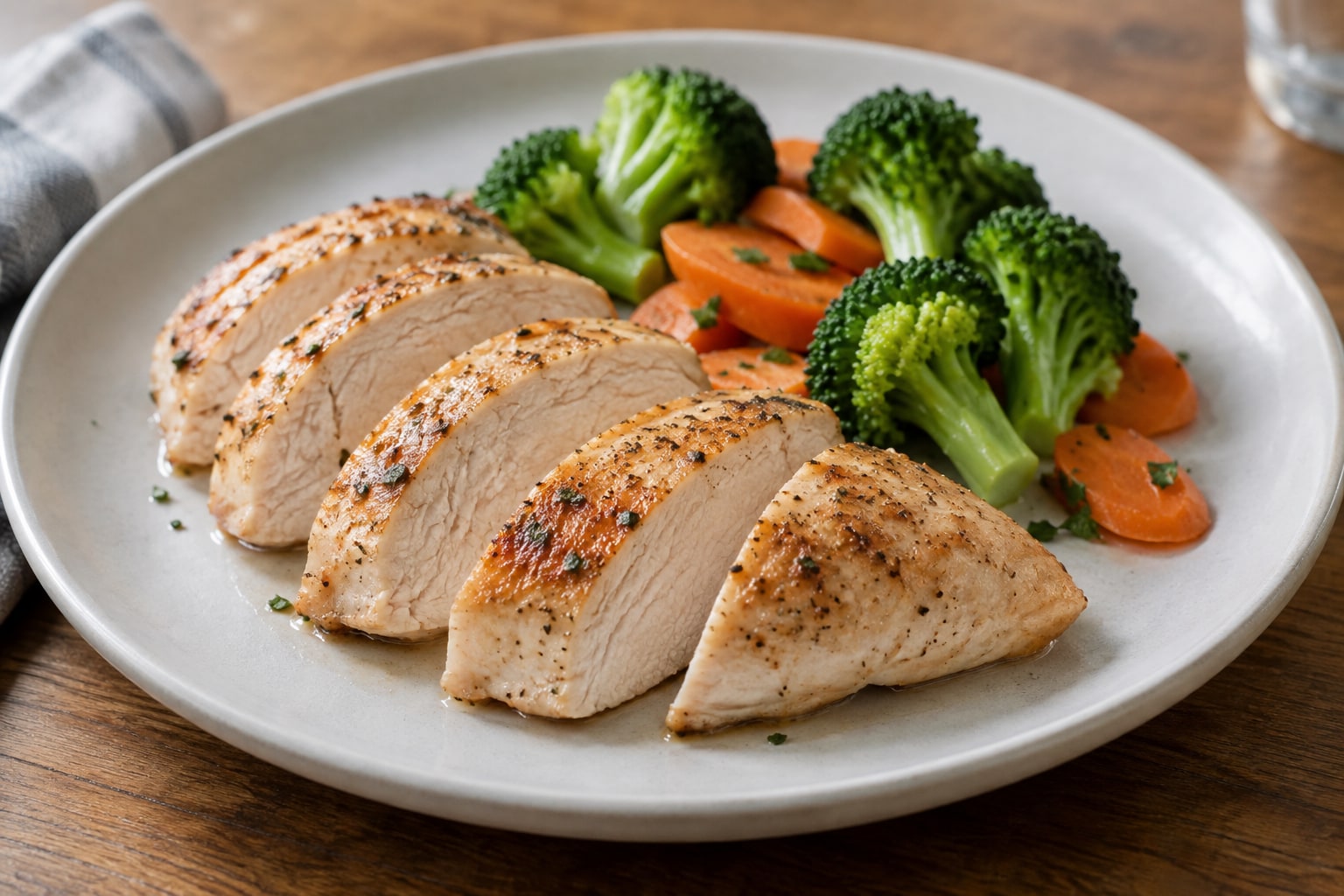
Some cuts have a lot of fat and some have less. Fattier cuts usually have less protein for the same weight. Let most of the meat you eat come from leaner sources such as chicken, chicken breast, boneless chicken thighs and sirloin.
2. Chicken breast
You cannot make a list of foods for building muscle and bodybuilding without chicken breast. Bodybuilders love its protein: 100 g of cooked chicken breast has about 31 g, so you can eat 200 g and get about 60 g of protein in one meal.
Another reason they love it is that you can prepare it in countless ways. Season it however you like; roast it, cook it in a pot or oven, use an air fryer, or grill it.
3. Salmon
Salmon has a winning combination of complete protein and fat, including omega-3. Cooked farmed Atlantic salmon has about 22 g of protein and 12 g of fat per 100 g. It is also a source of vitamin D: about 13 micrograms per 100 g in the farmed, cooked entry.
4. Eggs
There is a reason for the story about bodybuilders drinking eggs: eggs are a great food for building muscle. You do not need to drink them raw. Raw or undercooked eggs can carry Salmonella bacteria, and the US Food and Drug Administration (FDA) advises cooking eggs until both the yolk and the white are firm.
Eggs contain complete protein with all nine essential amino acids. A large egg (about 50 g) has about 6 g of protein, along with fat, vitamin D and choline.
You can make hard-boiled eggs, fried eggs, scrambled eggs, shakshuka and more. Use cooking methods that do not need a lot of oil. In a 12-week study of 30 trained young men, eating 3 whole eggs or 6 egg whites after each workout led to similar muscle gains, so both work.
5. Soy foods
Soy suits vegetarians, vegans and anyone who wants more variety. It contains all the essential amino acids your body cannot make, along with minerals such as calcium, iron and potassium. Firm tofu (made with calcium sulfate) has about 17 g of protein per 100 g, tempeh about 20 g and cooked edamame about 12 g. A 2018 meta-analysis of 9 studies (266 people) found that soy protein powder gave similar strength and lean mass gains to whey or other animal protein powders.
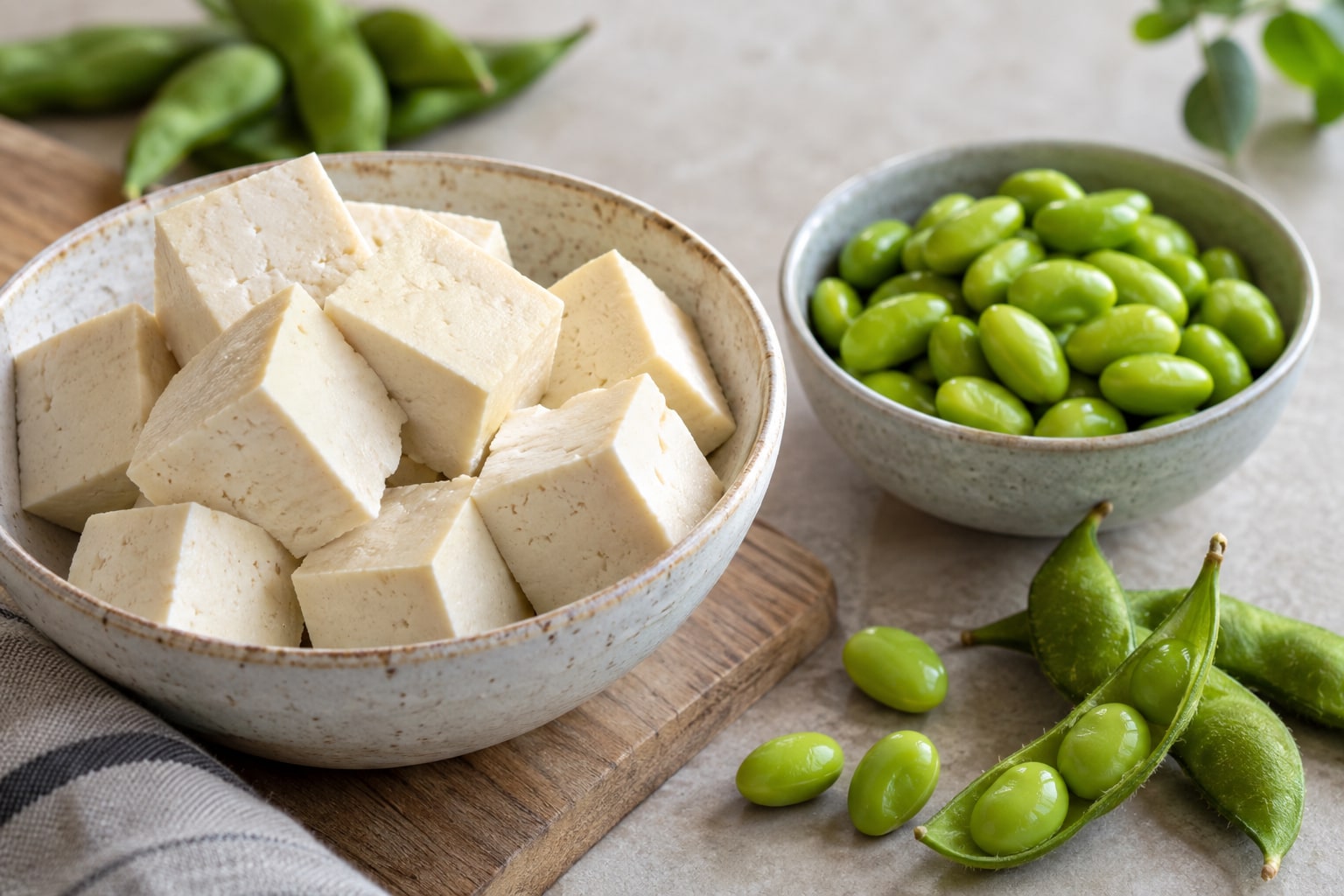
Soy comes in many forms, so you can change up your menu with soybeans, edamame, tofu, tempeh or soy milk. More ideas are in the guide on plant-based protein.
Milk, Greek yogurt and cottage cheese are other ways to add protein to a meal or snack.
Carbohydrate foods for building muscle
6. Pasta
If you find it hard to eat a lot and gain mass, pasta is one of my favorite choices. It is easy to eat a big plate of it compared with foods like rice. Whole-grain pasta also gives you more fiber: about 4 g per 100 g cooked, against about 2 g in regular pasta.
Pair it with a protein-rich food, such as chicken or tofu, and you have a meal for your mass phase.
7. Rice
When you see a bodybuilder with a big meal, there is a good chance it is chicken breast and rice. Talk about bodybuilders' food. Rice goes with almost any protein food; it is tasty and easy to prepare.
Rice also gives you thiamin, niacin, zinc and phosphorus. Brown rice has a bit more fiber (about 1.6 g per 100 g cooked, compared with about 0.4 g in white rice).
8. Sweet potatoes
Sweet potatoes are one of the best foods you can eat while building mass. They give you carbohydrates, fiber (about 3 g per 100 g baked), potassium and vitamin C.
Their natural sweetness makes a meal better. This especially helps if you like sweet foods and want to eat less added sugar.
9. Oats
Oats are another great source of carbohydrates. They contain fiber (about 10 g per 100 g dry) and minerals such as phosphorus, zinc and magnesium.
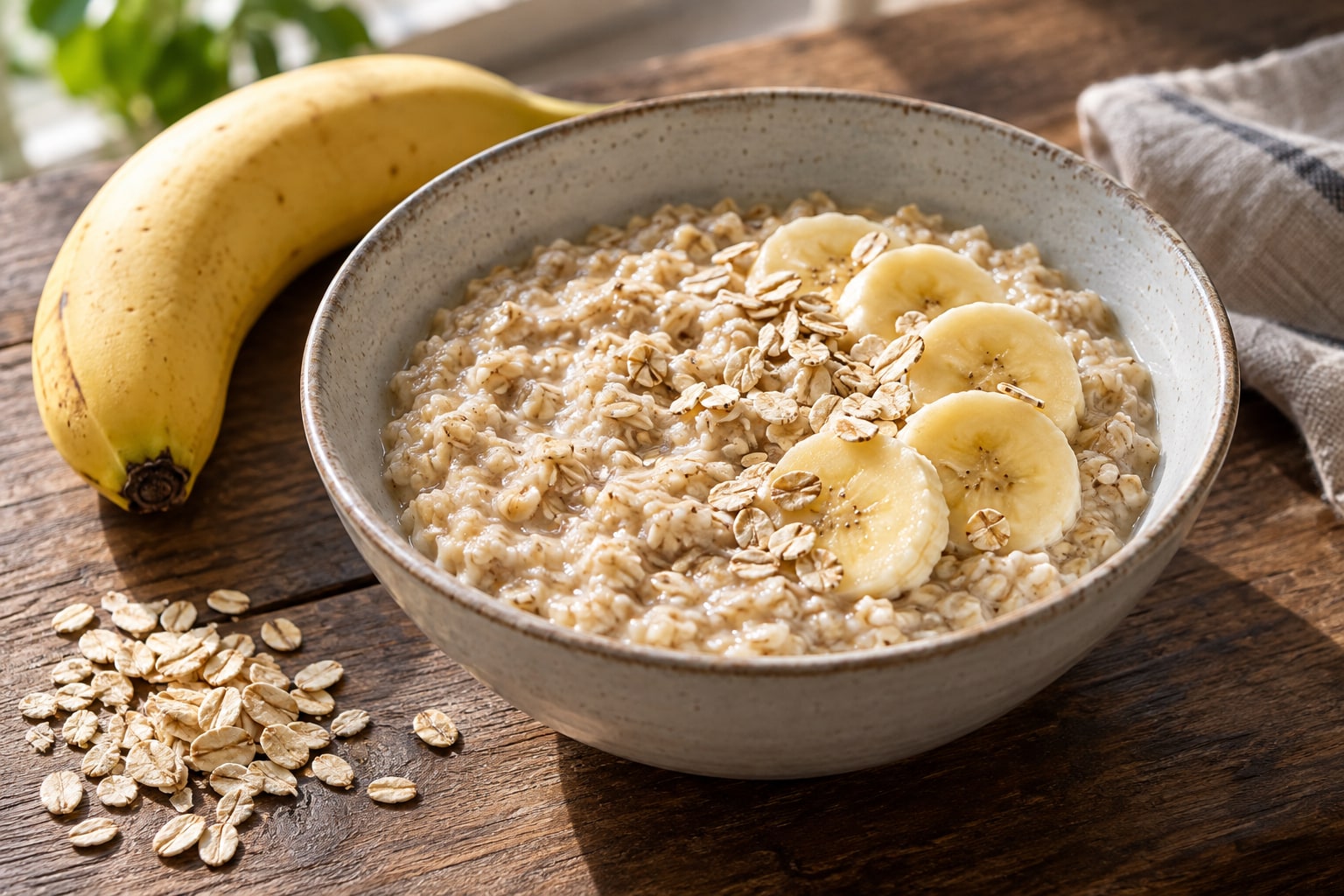
My favorite part is that you can add oats to a shake: put protein powder, oats, some fruit and nuts in a blender for a nutritious drink with plenty of energy. Or eat oats with a little honey and milk.
10. Fruit
If I had to list every fruit that fits a mass phase, this article would never end. Fruits give you vitamins, minerals and fiber; each fruit brings a different mix. Eat several different kinds for variety.
Fruit is tasty between meals, helping you add both calories and nutrients. Dried fruit gives you more energy in a small amount: medjool dates have about 277 kcal per 100 g.
Fat-rich foods for building muscle
11. Almonds
Almonds are an excellent snack when you want to gain mass. They give you fat, vitamin E and magnesium, and a small handful adds calories easily. Ten almonds (about 12 g) have about 70 kcal.
12. Olive oil
Beyond the taste and aroma olive oil adds to a dish, it is an easy way to add energy when building mass. It is rich in monounsaturated fats and contains vitamin E. One tablespoon (about 13.5 g) has about 120 kcal.
You can add olive oil to almost any food: cook with it, drizzle it over salads, use it in dressings and more.
13. Avocado
Beyond its wonderful taste (not everyone agrees about that), avocado is a useful food for a mass phase. It has plenty of calories, fat and fiber, along with vitamins C, E, K and B6.
You can include it in any meal or make a whole dish from it, such as guacamole.
14. Dark chocolate
Here is a food chocolate lovers will like. Dark chocolate with more than 75% cocoa can fit a mass phase. It has a lot of calories, and it contains fat and minerals. More than half its fat is saturated, so I would enjoy it in moderation.
As with any food, watch the amount. If you eat far more calories than you need, weight can rise too quickly and more of that gain may be body fat.
15. Peanut butter
Peanut butter is one of the most popular spreads. If you have trouble gaining weight, it is an easy way to add calories and fat. A level tablespoon (about 16 g) has about 95 kcal; a heaped spoon has more. Add it to shakes or spread it on whole-wheat bread.
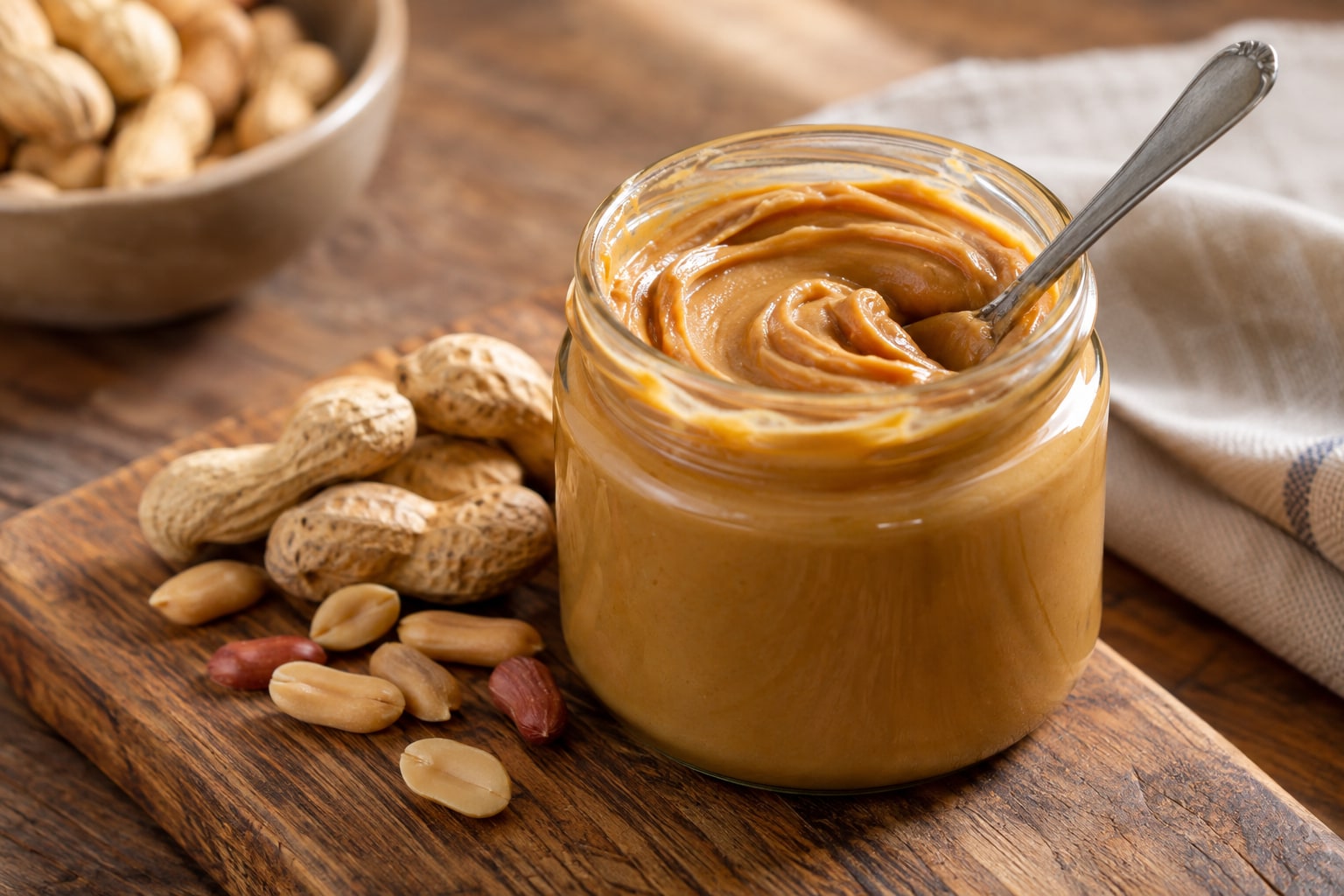
When you choose peanut butter, check the label for added sugar and oils. I prefer a simple ingredient list, such as peanuts and perhaps salt.
How to eat more when you struggle to gain
If you struggle to eat enough for a mass phase, here are ways to use the foods above:
- Choose foods that are easy to eat in larger amounts, like pasta.
- Add energy without adding volume: a drizzle of olive oil, a spoon of peanut butter, a handful of nuts, avocado on your sandwich.
- Drink some of it: a shake of milk, oats, fruit and nut butter is easier to finish than the same food on a plate.
- Snack between meals on fruit, dried fruit, nuts or yogurt.
- Eat on a schedule instead of waiting to feel hungry.
Protein powder can go in the oat shake I mentioned; it is a convenient option if you use it, not a requirement. More in the protein powder guide.
A sample day of food choices
Here is one way to put the foods together during a day. These are choices, not portions; the amount you eat depends on your needs and goals.
| Meal | For example |
|---|---|
| Breakfast | oats cooked in milk or soy milk, a sliced banana, a spoon of peanut butter |
| Snack | Greek yogurt with berries and a handful of mixed nuts |
| Lunch | chicken breast, rice, a big salad or cooked vegetables with olive oil |
| Before or after training | a shake of milk, oats, fruit and nut butter, or fruit and a yogurt |
| Dinner | salmon or tofu, a baked sweet potato, vegetables and avocado |
| Evening | eggs on whole-wheat toast, or a couple of squares of dark chocolate |
Bottom line
To build mass, you need to know which foods to eat. Nutrition plays a big part: if you do not eat enough calories, you make it harder for your body to build muscle. Include vegetables too. I did not put them on this list because you need them whether you are cutting or building mass.
To make progress, eat a little more than you burn and follow a training program that fits your goals. Reviews of the research say an energy surplus supports muscle gain, but nobody knows the exact "right" amount, and the authors advise a moderate surplus with slow, steady gains. Gaining weight too fast mainly adds more body fat. The BMR calculator gives a starting estimate of energy used at rest, not a target. See how to build muscle and bodybuilding nutrition for the bigger picture.
Frequently asked questions
What foods build muscle the fastest?
No single food builds muscle fast. Muscle grows from hard, regular training plus enough protein and energy over weeks and months; chicken, fish, eggs, dairy and soy make the protein easy.
What are good bulking foods if I struggle to gain weight?
Energy-dense, easy-to-eat foods: pasta, rice, oats, whole milk, nuts, peanut butter, olive oil, avocado, dried fruit and homemade shakes, added to meals you already eat.
What are the best foods to build muscle for vegetarians?
Eggs, milk, Greek yogurt and cottage cheese if you eat them, plus soy foods (tofu, tempeh, edamame, soy milk), beans, lentils, nuts and oats. See the plant-based protein guide.
How many calories should I eat to build muscle?
That depends on your body, activity and goals, so this guide gives no number. The BMR calculator gives an estimate of energy used at rest, not a complete daily calorie target.
Is "dirty bulking" a good idea?
Eating anything and everything usually makes you gain weight fast, and fast gains add more body fat. A small surplus from mostly nutritious foods, with room for treats like dark chocolate, is the more sensible approach.
The information on this page and on this website is intended to provide general information only. The content on this website does not constitute a professional opinion, a recommendation, or a substitute for consulting an expert in a specific field or obtaining a medical opinion. This article is written for healthy adults. It is not medical advice, not dietetic advice and not a personal diet plan. If you have a health condition, a food allergy, are pregnant or breastfeeding, are under 18, or take medication, talk to a doctor or a registered dietitian before changing what you eat.
Sources
Accessed September 18, 2026.
- Jäger R. et al., "International Society of Sports Nutrition Position Stand: protein and exercise", J Int Soc Sports Nutr 2017;14:20. pubmed.ncbi.nlm.nih.gov/28642676
- Slater G.J. et al., "Is an Energy Surplus Required to Maximize Skeletal Muscle Hypertrophy Associated With Resistance Training", Front Nutr 2019;6:131. pubmed.ncbi.nlm.nih.gov/31482093
- Iraki J. et al., "Nutrition Recommendations for Bodybuilders in the Off-Season: A Narrative Review", Sports (Basel) 2019;7(7):154. pubmed.ncbi.nlm.nih.gov/31247944
- Bagheri R. et al., "Whole Egg Vs. Egg White Ingestion During 12 weeks of Resistance Training in Trained Young Males: A Randomized Controlled Trial", J Strength Cond Res 2021;35(2):411-419. pubmed.ncbi.nlm.nih.gov/33306586
- Messina M. et al., "No Difference Between the Effects of Supplementing With Soy Protein Versus Animal Protein on Gains in Muscle Mass and Strength in Response to Resistance Exercise", Int J Sport Nutr Exerc Metab 2018;28(6):674-685. pubmed.ncbi.nlm.nih.gov/29722584
- US FDA, "What You Need to Know About Egg Safety". www.fda.gov/food/buy-store-serve-safe-food/what-you-need-know-about-egg-safety
- US FDA, "Dietary Supplements". www.fda.gov/food/dietary-supplements
- NIH Office of Dietary Supplements, "Selenium: Fact Sheet for Consumers" (upper limit 400 micrograms a day for adults; about 68-91 micrograms per Brazil nut); per-nut value also from USDA FDC 170569 (about 95 micrograms in a 5 g kernel). ods.od.nih.gov/factsheets/Selenium-Consumer
- USDA FoodData Central (SR Legacy entries, per 100 g): chicken breast, roasted (FDC 171477); beef top sirloin steak, lean only, broiled (FDC 168634); Atlantic salmon, farmed, cooked (FDC 175168); Atlantic salmon, wild, cooked (FDC 171998); egg, whole, raw (FDC 171287); egg white, raw (FDC 172183); egg yolk, raw (FDC 172184); tofu, firm, calcium sulfate (FDC 172475); tempeh (FDC 174272); edamame, prepared (FDC 168411); Greek yogurt, plain, low-fat (FDC 170903); cottage cheese, 1% (FDC 173417); whole milk, 3.25% (FDC 171265); white rice, long-grain, enriched, cooked (FDC 168878); brown rice, long-grain, cooked (FDC 169704); pasta, enriched, cooked (FDC 169737); whole-wheat pasta, cooked (FDC 168910); sweet potato, baked (FDC 168483); potatoes, baked, flesh and skin (FDC 170093); oats, dry (FDC 173904); banana (FDC 173944); medjool dates (FDC 168191); lentils, cooked (FDC 172421); black beans, cooked (FDC 173735); almonds (FDC 170567); walnuts (FDC 170187); peanuts (FDC 172430); cashews (FDC 170162); Brazil nuts (FDC 170569); macadamia nuts (FDC 170178); pistachios (FDC 170184); peanut butter, smooth (FDC 172470); olive oil (FDC 171413); avocado (FDC 171705); dark chocolate, 70-85% cacao (FDC 170273). fdc.nal.usda.gov