
High-Protein Foods: A List of Animal and Plant Sources With USDA Values
In short
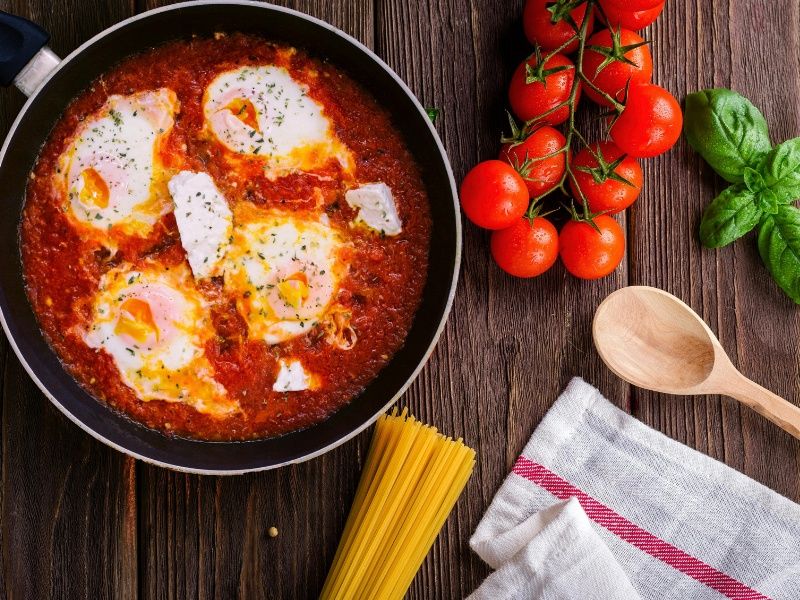
Eggs, chicken breast, tuna, salmon and lean meat are excellent foods with protein for bodybuilding. Lentils, tofu, edamame and tempeh give you plant options too. Here is how I choose between them, with nutritional values and cooking tips to help you put them on your plate.
Protein is one of the building blocks of living things, and a main part of every cell in your body. It has many jobs, from reading your DNA, to the antibodies your body uses against bacteria and viruses, to building bones and other tissues. Since you want to build your body, one of its jobs matters most here: building muscle.
The nutritional values in this article are averages, not exact numbers. They can change with the variety, brand, cut and preparation method. The comparison tables use rounded values from USDA FoodData Central, the food database of the US Department of Agriculture. Product examples can differ, so check the label on your own food.
How to tell if a protein food is a good choice
When I choose a protein source, I look at three things:
- whether the protein is complete or incomplete
- how much fat comes with it, and which kind
- how you cook it
Complete or incomplete protein
Proteins are built from 20 amino acids. Nine of them are essential: your body cannot make them, so it has to get them from food. A protein that has all nine in useful amounts is called a complete protein.
If you want to understand how protein builds muscle, see the complete protein guide.
The fat that comes with the protein
Unsaturated fats are often called the healthy fats. Your body can make some fats, but certain polyunsaturated fats must come from food. Look at both the amount of fat and the kind that comes with your protein. The healthy fats guide explains the differences.
How you cook it
The cooking method matters a lot for the quality of the food. If you take the best protein food there is and deep-fry it in sunflower oil, it soaks up a lot of oil, and with it a lot of extra fat and calories. Choose a method that keeps extra oil down: boil it, grill it, bake it in the oven, or cook it with a small amount of good oil, like olive oil.
Eggs
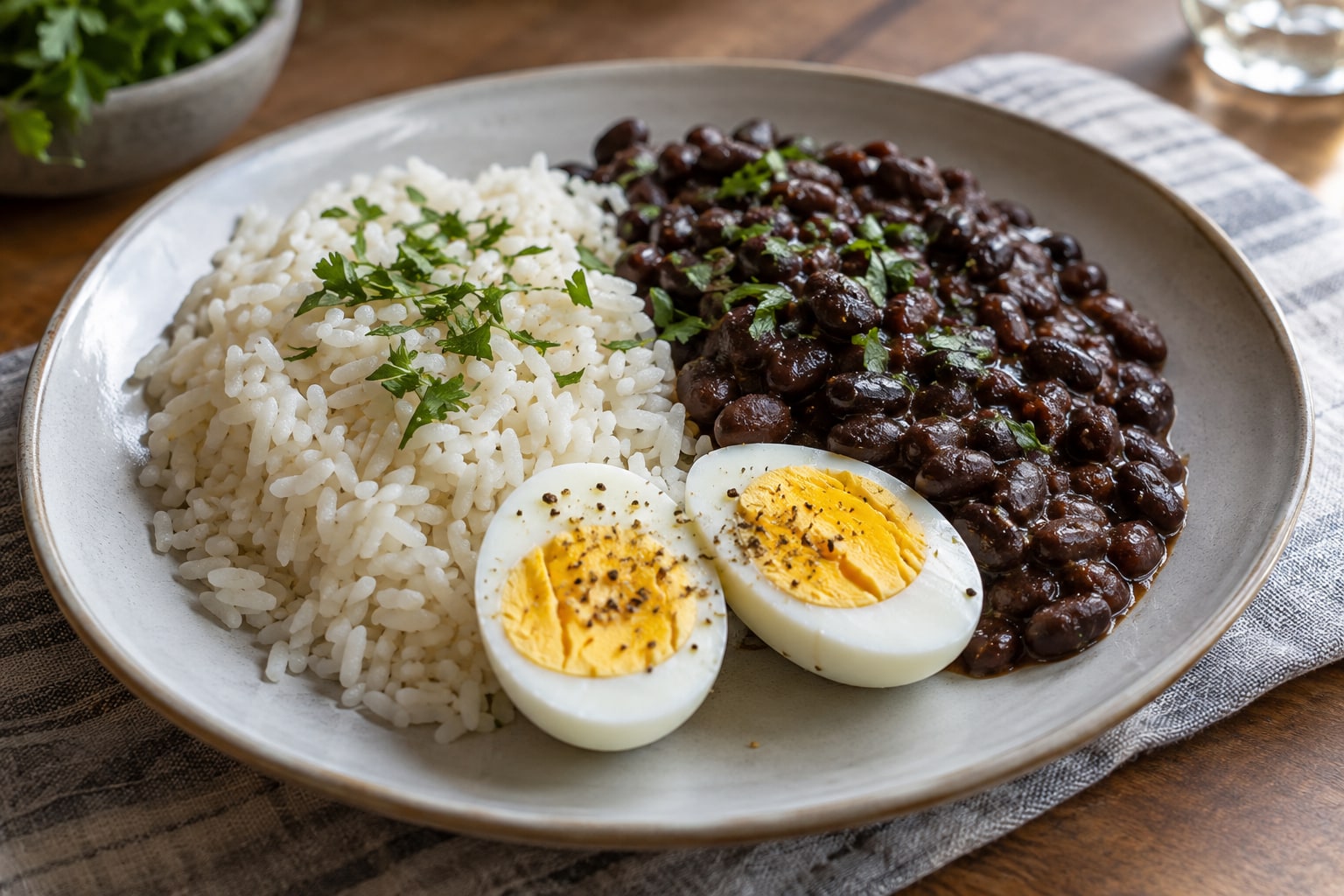
Eggs are a perfect option that I recommend including in your diet. They are rich in nutrients and give you protein and unsaturated fat together. They also contain vitamin A, vitamin D and B vitamins.
For a perfect boiled egg with a slightly runny yolk, Bring some water to a boil in a pot and put the eggs in the boiling water for 7 minutes. After 7 minutes, cool them in cold water. This way the white sets firm and the yolk stays a little runny. Of course, there are endless ways to make eggs; you just need to find the one you like best.
- One large egg (50 g): about 72 kcal, 6 g protein, 5 g fat and under 1 g carbohydrate.
Chicken breast
Chicken breast is one of the protein foods most linked to bodybuilding, and for a good reason: it gives a lot of protein for its calories. It has few calories because it has very little fat, which is why many people eat it when they are cutting calories.
- 100 g cooked chicken breast: about 165 kcal, 31 g protein, 3 g fat and no carbohydrate.
Tuna
One of the easiest ways to add a good amount of protein to your day is a can of tuna in water. Why in water? Tuna in oil comes with extra calories from the oil.
Take the tuna in water and add olive oil yourself. That way the tuna tastes better, and you choose the oil and how much of it goes in.
The values vary from company to company. Here is one example; the USDA light-tuna entry in the tables below is a different example.
- 100 g tuna in water: about 94 kcal, 22 g protein, 0.6 g fat and no carbohydrate.
Salmon
If you are looking for a great protein food for bodybuilding, salmon is it. Other fish are also good protein sources, but salmon is at the top of my list. Besides a lot of protein, it contains omega-3 fats and vitamins such as A, B6, D and E.
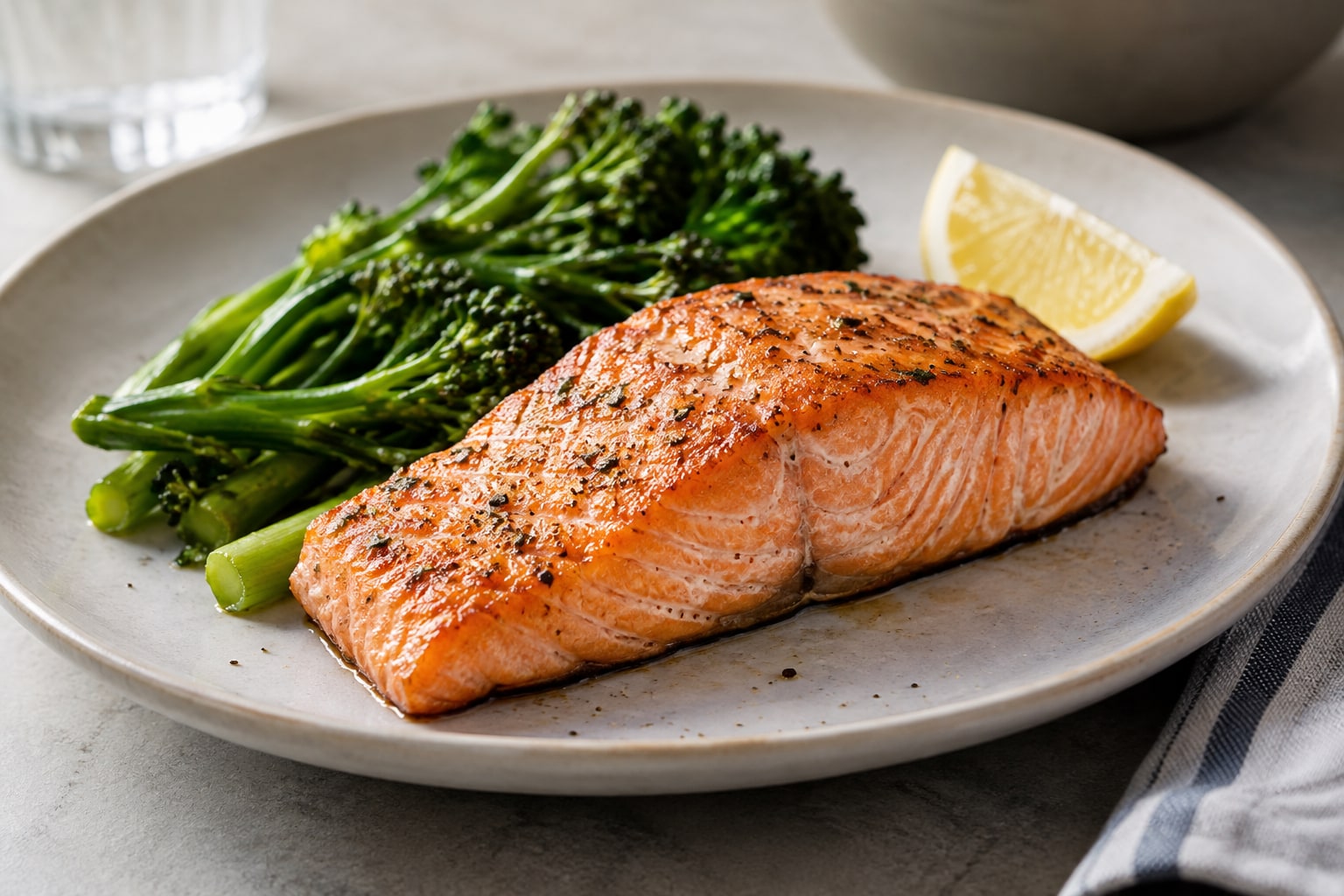
Another advantage is that it is quick and easy to cook. Put it in a pan with a little olive oil, salt and black pepper, cook it for a few minutes on each side, and you have a great meal.
- 100 g cooked Atlantic salmon (farmed, the most common in stores): about 206 kcal, 22 g protein, 12 g fat and no carbohydrate.
- 100 g cooked wild coho salmon: about 139 kcal, 23 g protein and 4 g fat. Wild salmon is usually leaner than farmed.
Meat
Meat is also an excellent food with plenty of protein. Beef contains vitamin B12 and creatine. There are many cuts: some have more fat and some less, some have more vitamins and some fewer. If you want a protein food to eat regularly, avoid the fattiest cuts.
It also depends on whether you want to lose or gain weight. If you are cutting, stick to lean beef, because it has less fat and fewer calories for the protein.
Lean cuts to look for include shoulder, sirloin, tenderloin, neck, rump and shoulder tender (sometimes called mock tender).
- 100 g cooked beef shoulder: about 175 kcal, 26 g protein, 7 g fat and no carbohydrate. The values change with how much fat is on the piece; the tables below use a specific trimmed, grilled USDA cut.
Protein powder
I prefer getting protein from food, but it can be very difficult to reach your daily amount with food alone. With protein powder, you can easily add a substantial amount of protein.
Whey protein is absorbed quickly. Use a shake after a workout or when you get up in the morning if you want an easy serving of protein. After a night's sleep, you may have gone over 8 hours without eating protein.
Values change between products and flavors. A typical serving gives about 25 g protein and 125 kcal, with relatively small amounts of fat and carbohydrate. Read the label for your powder's serving size and values.
More in the protein powder guide.
Lentils
Lentils are a great plant protein food. In addition, they are rich in antioxidants, dietary fiber, vitamins and minerals. They are especially useful for vegans and vegetarians, who can find it harder to reach their daily protein.
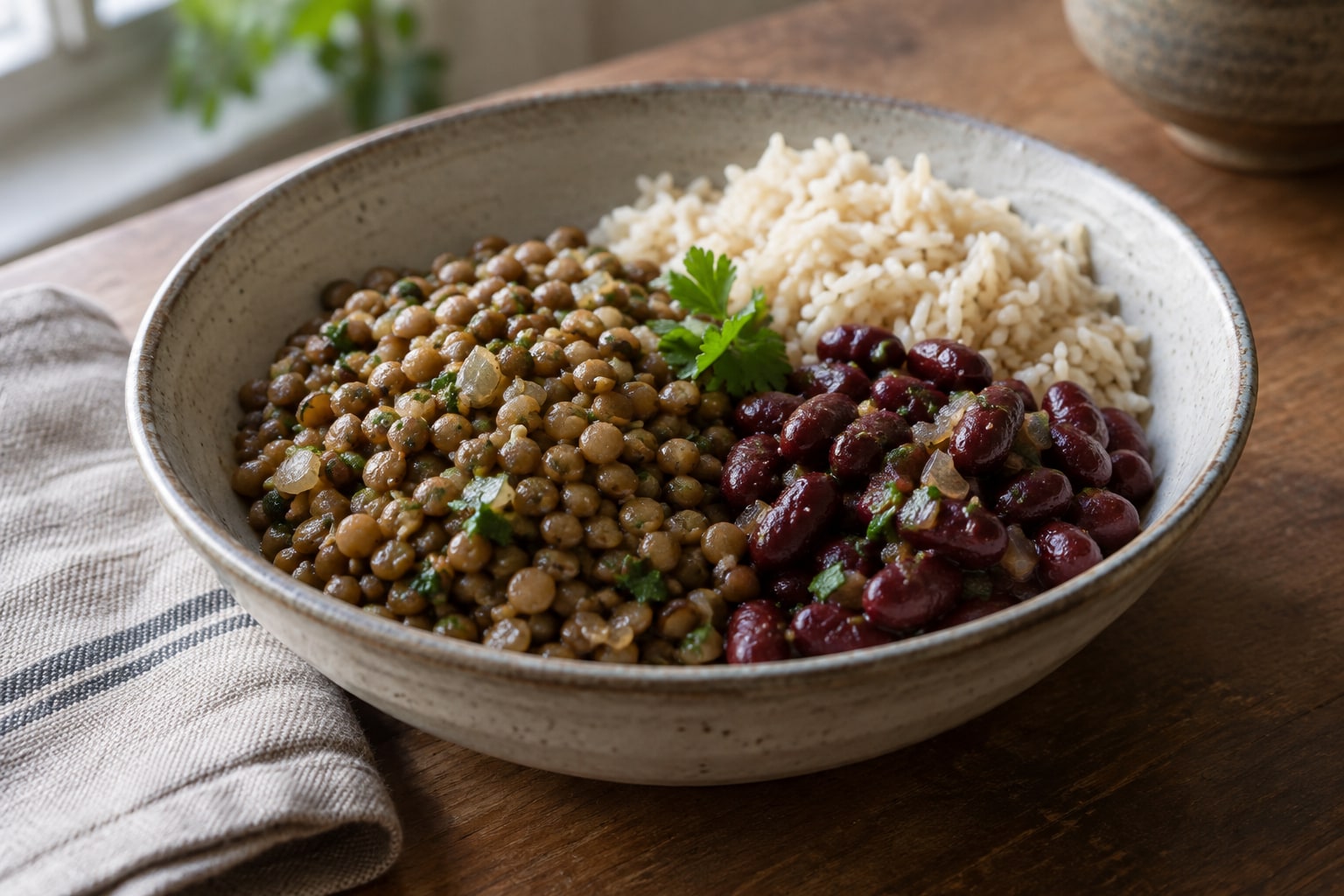
You can make lentil soup, add them to a salad or to rice, and even make a salad of lentils with eggs and vegetables.
- 100 g cooked lentils: about 116 kcal, 9 g protein, 20 g carbohydrate and 0.4 g fat.
Tofu, edamame and tempeh
Why three foods together? Because all three come from soybeans. Soy is a complete protein from a plant source, so these foods are great for the vegetarians and vegans among us. Each one is different, though, and each is prepared in its own way.
Soybeans themselves contain iron and calcium. Edamame contains vitamin K and fiber. Tempeh contains B vitamins.
- 100 g tempeh: about 192 kcal, 20 g protein, 8 g carbohydrate and 11 g fat.
Summary of foods with protein
These are the most common foods that bodybuilders use in their diets. Get to know plenty of protein foods, so you do not get bored and always eat the same thing.
Just remember that the cooking method affects the values. I suggest avoiding frying and keeping the amount of oil small. When I use oil, I choose one that is a source of healthy fats, such as olive oil.
High-protein foods at a glance
All values are per 100 g of food as eaten (cooked where it says so) from USDA FoodData Central, rounded. "Protein per 100 kcal" shows how much protein you get for the calories: the higher it is, the leaner the source.
| Food | Protein per 100 g | kcal per 100 g | A common serving (about) | Protein per 100 kcal |
|---|---|---|---|---|
| Chicken breast, roasted | about 31 g | about 165 | 3 oz (85 g): 26 g | about 19 g |
| Turkey breast, roasted | about 30 g | about 136 | 3 oz (85 g): 25 g | about 22 g |
| Beef shoulder steak, trimmed, grilled | about 27 g | about 176 | 3 oz (85 g): 23 g | about 15 g |
| Salmon, Atlantic farmed, cooked | about 22 g | about 206 | 3 oz (85 g): 19 g | about 11 g |
| Tuna, light, canned in water, drained | about 19 g | about 90 | 3 oz (85 g): 16 g | about 21 g |
| Tempeh | about 20 g | about 192 | 3 oz (85 g): 17 g | about 11 g |
| Tofu, firm | about 17 g | about 144 | 3 oz (85 g): 15 g | about 12 g |
| Egg, whole | about 13 g | about 143 | 1 large egg (50 g): 6 g | about 9 g |
| Cottage cheese, 1% fat | about 12 g | about 72 | 1/2 cup (113 g): 14 g | about 17 g |
| Edamame, cooked | about 12 g | about 121 | 1 cup shelled (155 g): 18 g | about 10 g |
| Greek yogurt, plain, low fat | about 10 g | about 73 | 6 oz (170 g): 17 g | about 14 g |
| Lentils, cooked | about 9 g | about 116 | 1 cup (198 g): 18 g | about 8 g |
| Black beans, cooked | about 9 g | about 132 | 1 cup (172 g): 15 g | about 7 g |
| Chickpeas, cooked | about 9 g | about 164 | 1 cup (164 g): 15 g | about 5 g |
| Pumpkin seeds | about 30 g | about 559 | 1 oz (28 g): 8 g | about 5 g |
| Peanuts | about 26 g | about 567 | 1 oz (28 g): 7 g | about 5 g |
| Almonds | about 21 g | about 579 | 1 oz (28 g): 6 g | about 4 g |
| Quinoa, cooked | about 4.4 g | about 120 | 1 cup (185 g): 8 g | about 4 g |
When comparing the table, look at the calories as well as the protein. Nuts and seeds have plenty of protein per 100 g, but bring more calories with it. I would use them as an addition to a meal. Quinoa gives you mostly carbohydrate and a smaller amount of protein.
How much food gives you about 25 g of protein?
This table turns the list into portions. It shows about how much of each food gives about 25 g of protein, and how many calories come with it (USDA values, rounded).
| Food | Amount for about 25 g protein | Calories that come with it |
|---|---|---|
| Chicken breast, roasted | about 80 g (about 3 oz) | about 135 kcal |
| Turkey breast, roasted | about 85 g (about 3 oz) | about 115 kcal |
| Tuna in water, drained | about 130 g (about 4.6 oz) | about 120 kcal |
| Beef shoulder steak, trimmed | about 95 g (about 3.3 oz) | about 165 kcal |
| Salmon, Atlantic farmed | about 115 g (about 4 oz) | about 235 kcal |
| Eggs | 4 large eggs | about 285 kcal |
| Cottage cheese, 1% | about 200 g (about 7 oz) | about 145 kcal |
| Greek yogurt, low fat | about 250 g (about 9 oz) | about 185 kcal |
| Tofu, firm | about 145 g (about 5 oz) | about 210 kcal |
| Tempeh | about 125 g (about 4.4 oz) | about 240 kcal |
| Lentils, cooked | about 275 g (about 1.4 cups) | about 320 kcal |
| Peanuts | about 95 g (about 3.4 oz) | about 550 kcal |
Examples of about 25 to 35 g of protein in one meal
These are arithmetic examples to show how foods add up, not a menu (other foods in the meal are not counted):
- 2 eggs and 170 g (6 oz) Greek yogurt: about 30 g
- 120 g (about 4 oz) firm tofu and half a cup of edamame: about 30 g
How much protein do you need?
The International Society of Sports Nutrition (ISSN) position stand gives a general range for healthy exercising adults of about 1.4 to 2.0 g of protein per kg of body weight per day (about 0.6 to 0.9 g per lb); your needs may differ. The full protein guide explains how the ranges were set and how to split them.
Frequently asked questions
What food has the most protein?
Per 100 g, dry foods like protein powder, pumpkin seeds and peanuts, but they are dense in calories. Among main foods, chicken and turkey breast lead with about 30 g per 100 g cooked.
Which high-protein foods are low in calories?
Chicken and turkey breast, tuna in water, low-fat cottage cheese and whey powder give about 17 to 22 g of protein per 100 kcal in USDA data, against about 4 to 5 g for nuts and seeds.
How much protein is in an egg?
One large egg (50 g) has about 6 g of protein and about 72 kcal.
How much protein is in chicken breast?
About 31 g per 100 g of roasted breast meat, or about 26 g in a 3 oz (85 g) portion.
How much protein is in a can of tuna?
Canned light tuna in water has about 19 g of protein per 100 g drained. Can sizes and brands differ, so check the label for your can.
What are high-protein foods that are not meat?
Eggs, Greek yogurt, cottage cheese, tempeh, tofu, edamame, lentils, beans, and nuts and seeds. See the plant-based protein guide for vegan options.
The information on this page and on this website is intended to provide general information only. The content on this website does not constitute a professional opinion, a recommendation, or a substitute for consulting an expert in a specific field or obtaining a medical opinion. This article is written for healthy adults. It is not medical advice, not dietetic advice and not a personal diet plan. If you have a health condition, a food allergy, are pregnant or breastfeeding, are under 18, or take medication, talk to a doctor or a registered dietitian before changing what you eat.
Sources
Accessed September 18, 2026.
- Jäger R. et al., "International Society of Sports Nutrition Position Stand: protein and exercise", J Int Soc Sports Nutr 2017;14:20. pubmed.ncbi.nlm.nih.gov/28642676
- USDA ARS, FoodData Central, animal foods: Egg, whole, raw, fresh (FDC 171287); Chicken breast, meat only, cooked, roasted (FDC 171477); Turkey breast, meat only, cooked, roasted (FDC 174516); Beef, chuck, shoulder clod, shoulder top and center steaks, trimmed to 0" fat, select, cooked, grilled (FDC 172124); Salmon, Atlantic, farmed, cooked, dry heat (FDC 175168); Salmon, coho, wild, cooked, dry heat (FDC 173719); Tuna, light, canned in water, drained solids (Foundation, FDC 334194); Tuna, light, canned in oil, drained (FDC 173708); Yogurt, Greek, plain, lowfat (FDC 170903); Cheese, cottage, lowfat, 1% milkfat (FDC 173417). fdc.nal.usda.gov
- USDA ARS, FoodData Central, plant foods: Lentils, cooked, boiled (FDC 172421); Beans, black, cooked, boiled (FDC 173735); Chickpeas, cooked, boiled (FDC 173757); Tofu, raw, firm, prepared with calcium sulfate (FDC 172475); Tempeh (FDC 174272); Edamame, frozen, prepared (FDC 168411); Seeds, pumpkin and squash seed kernels, dried (FDC 170556); Peanuts, all types, raw (FDC 172430); Nuts, almonds (FDC 170567); Quinoa, cooked (FDC 168917). fdc.nal.usda.gov
- USDA ARS, FoodData Central, Beverages, Protein powder whey based (SR Legacy, FDC 173180). fdc.nal.usda.gov
- MedlinePlus, "Amino acids" (updated 2025-01-21). medlineplus.gov/ency/article/002222.htm
- Harvard Health Publishing, "High-protein foods: the best protein sources to include in a healthy diet" (complete protein examples). www.health.harvard.edu/diet-and-nutrition/high-protein-foods-the-best-protein-sources-to-include-in-a-healthy-diet
- MedlinePlus, "Facts about polyunsaturated fats" (updated 2026-04-30). medlineplus.gov/ency/patientinstructions/000747.htm
- Balsom P.D. et al., "Creatine in humans with special reference to creatine supplementation", Sports Med 1994;18(4):268-280 (review: part of the body's daily creatine turnover can come from food, especially meat and fish). pubmed.ncbi.nlm.nih.gov/7817065
- FDA, "Advice about Eating Fish" (updated 2024-03-05). www.fda.gov/food/consumers/advice-about-eating-fish
- FDA, "Dietary Supplements" (updated 2024-10-01). www.fda.gov/food/dietary-supplements