
Healthy Fats: Which Foods Have Them, How Much to Eat and How Fat Fits a Training Diet
In short
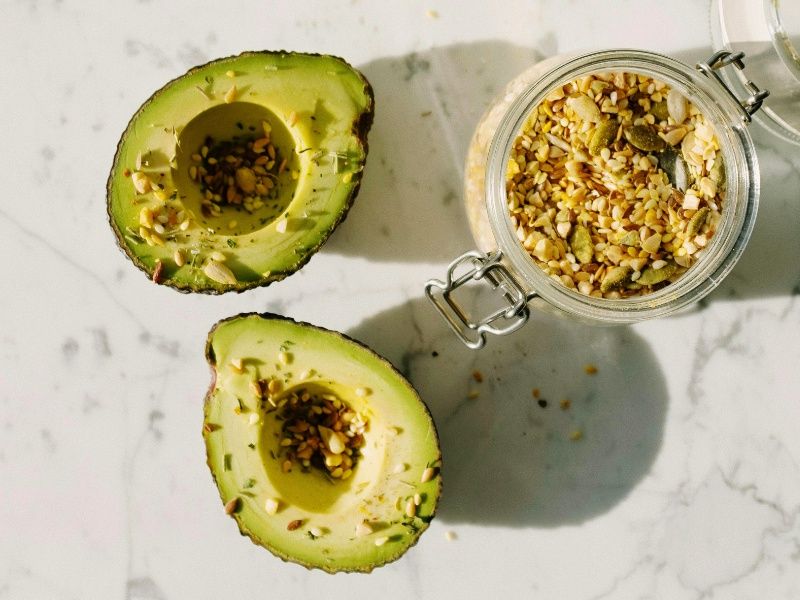
Looking for foods with healthy fats? Start with fatty fish, avocado, nuts, seeds and olive oil: most of their fat is unsaturated. I'll take you through 11 foods and show you how to fit them into your nutrition plan.
You can't build a nutrition plan without taking healthy fats into account. In bodybuilding, fats can be a double-edged sword: a large amount can hold back your results, while a low amount can get in the way too.
Some benefits of fat
- Fat helps your body absorb the fat-soluble vitamins A, D, E and K.
- Body fat helps maintain body heat.
- Replacing saturated fat with unsaturated fat can help lower LDL cholesterol, as MedlinePlus explains.
Two groups of fats
For this article, fats can be divided into two groups:
- Unsaturated fats: monounsaturated and polyunsaturated fat.
- Saturated fat and trans fat.
Foods contain a mix of fat types. The table below shows which type each food has the most of.
Which is healthier: saturated or unsaturated fat?
Unsaturated fat is the healthy fat this article focuses on. Olive oil, avocado, nuts, seeds and fatty fish are practical places to start. Dark chocolate and whole-milk yogurt have mostly saturated fat, while spirulina supplies very little fat; I'll keep them in the list and explain the difference.
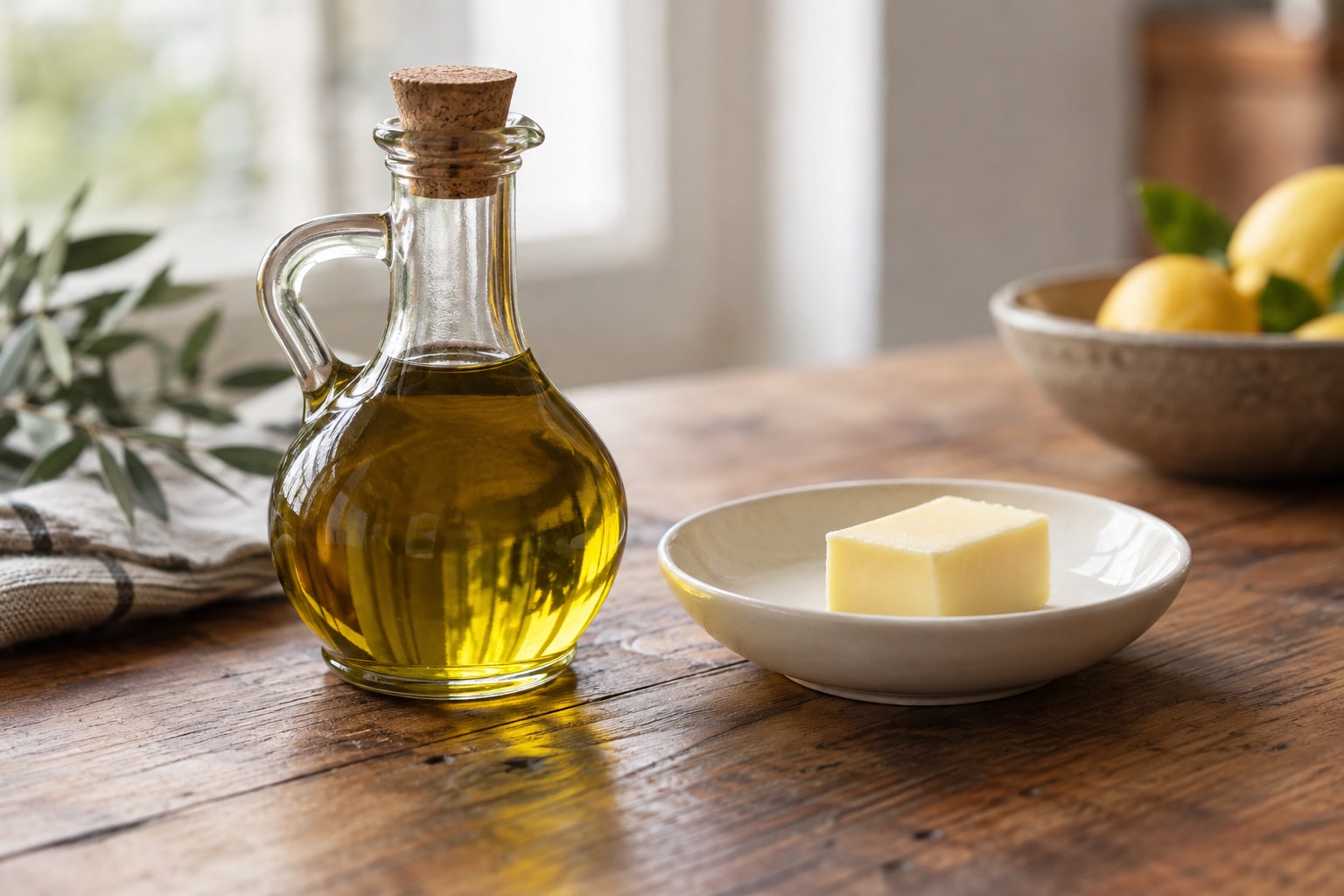
The US Dietary Guidelines for Americans (2025-2030) say saturated fat should generally not exceed 10% of daily calories. Make unsaturated fats your everyday choices, while keeping an eye on the amount.
How much fat do you need for bodybuilding?
A healthy diet includes monounsaturated and polyunsaturated fat; the key in bodybuilding is getting the amount right. A good rule of thumb is about 25% of your calories from fat. For example, if someone eats 2,000 calories a day, 25% is 500 calories. Each gram of fat has 9 calories, so that is about 55 g of fat (roughly 50 to 60 g).
That rule of thumb sits inside the National Academies' general range for healthy adults: 20% to 35% of daily calories from fat. It is a starting point, not the same target for everyone.
Here is how quickly portions add up: 1 tablespoon of olive oil, 50 g of avocado, 28 g of almonds, 2 eggs and 100 g of salmon provide about 58 g of fat, before bread, meat, cheese or other cooking fat. Swap healthy fats in for other fats rather than just adding more: avocado instead of a creamy spread, or nuts instead of chips.
11 foods: portions and fat types
All values below are from USDA FoodData Central, rounded. Portions are common serving sizes, not targets.
| Food | Portion | About calories | About fat | Main fat type |
|---|---|---|---|---|
| Atlantic mackerel, raw | 85 g (3 oz) | 175 | 12 g | unsaturated, rich in omega-3 |
| Salmon, Atlantic, farmed, raw | 100 g (3.5 oz) | 208 | 13 g | unsaturated, rich in omega-3 |
| Avocado | 50 g (about 1/3 of a medium avocado) | 80 | 7 g | monounsaturated |
| Dark chocolate, 70-85% cacao | 28 g (1 oz) | 170 | 12 g | mostly saturated |
| Egg, large | 1 egg (50 g) | 72 | 5 g | mixed, more unsaturated |
| Walnuts | 28 g (1 oz, about 14 halves) | 185 | 18 g | polyunsaturated, plant omega-3 |
| Peanut butter, smooth | 2 tablespoons (32 g) | 190 | 16 g | monounsaturated |
| Olive oil | 1 tablespoon (13.5 g) | 120 | 13.5 g | monounsaturated |
| Flaxseeds, whole | 1 tablespoon (10 g) | 55 | 4 g | polyunsaturated, plant omega-3 |
| Almonds | 28 g (1 oz, about 23 almonds) | 160 | 14 g | monounsaturated |
| Soybeans, cooked | 100 g (a little over ½ cup) | 170 | 9 g | polyunsaturated |
| Spirulina, dried | 1 tablespoon (7 g) | 20 | 0.5 g | very little fat |
| Yogurt, plain, whole milk | 180 g (¾ cup) | 110 | 6 g | mostly saturated |
1. Fatty fish
Fatty fish contain a lot of unsaturated fat, including the omega-3 fats EPA and DHA. They also give you protein, vitamins and minerals. Make room for two servings of fatty fish each week, choosing from salmon, mackerel, sardines and trout.
For example, one 85 g (3 oz) serving of fresh Atlantic mackerel contains about 11.8 g of fat and 15.8 g of protein.
Tuna is another option, but the type matters: canned light tuna in water has only about 1 g of fat per 100 g. It is a great protein food, but not a fat source.
Fish vary in mercury. The FDA and EPA put salmon, sardines, trout, Atlantic mackerel and canned light tuna on their "best choices" list, and king mackerel, bigeye tuna, shark and swordfish on their "choices to avoid" list; if you are pregnant or breastfeeding, follow their serving advice (2 to 3 servings of 4 oz a week from the best choices). Fish and shellfish are common food allergens.
A note on plant omega-3: walnuts and flaxseeds give you ALA, and your body turns only a small part of it into EPA and very little into DHA, so they don't replace fish for EPA and DHA.
2. Avocado
When you're cutting, avocado adds great flavor and variety to a plate of chicken and rice without ruining the diet. It is loaded with monounsaturated fat. Use it as a replacement for dips that don't offer much nutrition. It is also a good source of fiber: about 7 g per 100 g.
3. Dark chocolate: a surprising addition
Every good diet must have room for a small cheat. And if you're already having a cheat, why not benefit from it? You probably think it's crazy that chocolate is on a list of foods with healthy fat.
Made from the seeds of the cacao tree, quality dark chocolate is rich in fiber, iron, magnesium, copper, manganese and other minerals.
There is a catch: more than half of its fat is saturated. Do not overdo it, because dark chocolate also has a lot of sugar.
4. Eggs
How many times have you thrown the yolk in the trash in pursuit of weight loss? That's a serious mistake: the yolk holds most of the egg's fat, B vitamins, choline and other nutrients. The fat in a whole egg is mixed, with more unsaturated than saturated fat.
Regular eggs have only a little omega-3. Eggs from hens fed flaxseed (see below) have more; check the label.
Eggs are also rich in protein, and many people find a high-protein meal keeps them full longer. Eggs are a common food allergen.
5. Nuts
One of the benefits of nuts is the amazing convenience they provide. They are a great snack you can always pull out of your bag and eat, and certainly a more nutritious option than chips or sweets. Combine different kinds to get a variety of nutrients.
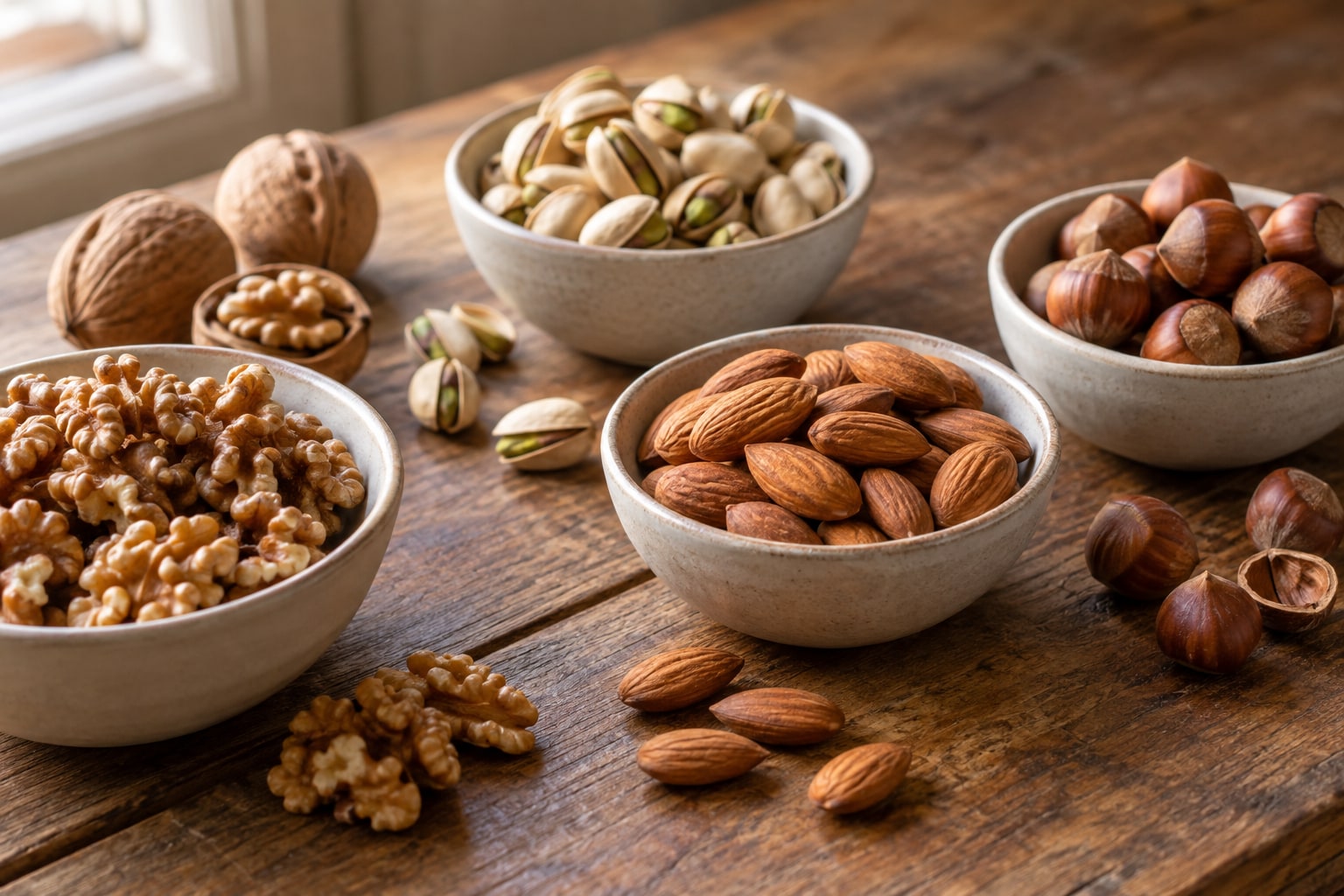
Nuts are rich in unsaturated fat and provide nutrients such as vitamin E, magnesium and selenium, depending on the kind. For example, walnuts contain the plant omega-3 ALA (about 9 g per 100 g), and pistachios contain lutein and zeaxanthin, two carotenoids (plant pigments).
Peanut butter is a good option too, if you don't eat the whole jar, of course. Watch out for added sugar in some brands. Nut butter is an ideal small snack when you're eating to build muscle, because it is rich in calories and provides a modest dose of protein: 2 tablespoons have about 190 calories and 7 g of protein.
Peanuts and tree nuts are major allergens. If you have a nut allergy, skip this group.
6. Olive oil
Olive oil is one of the best-known foods with healthy fat. The ancient olive tree was cultivated more than 6,000 years ago, and olive oil has been used for hundreds of years.
Olive oil is full of monounsaturated fat. It also contains vitamin E and vitamin K. One tablespoon has about 120 calories and 13.5 g of fat. It's very versatile in cooking, but truly perfect on roasted vegetables and in homemade salad dressings.
My ideas for using olive oil:
- Drizzle it over a salad or mix it into a salad dressing.
- Drizzle it over fresh bread.
- Use it when you bake bread.
- Use it instead of other fats when you fry or stir-fry.
7. Flaxseeds
Flaxseeds are found in all kinds of foods these days, from crackers to frozen waffles to oatmeal. They're also used in hen feed to increase the omega-3 in eggs. Flaxseeds are a good source of many nutrients, including protein, fiber, omega-3 (ALA), thiamin and copper.
Because they are so high in fiber, many people find flaxseeds filling. In a meta-analysis of 45 trials, adding flaxseed lowered body weight by about 1 kg on average; the clearest effect was with whole flaxseed, 30 g a day or more, for 12 weeks or longer (study). If you don't eat much fiber yet, add them gradually and drink enough water.
8. Almonds
Almonds are a wonderful source of healthy fat that you can cook with or eat as they are. You can buy them salted, unsalted, sugar-coated (I don't recommend these) or roasted. I recommend raw or dry-roasted almonds without added salt or sugar, which matters if you want or need to cut down on sodium and sugar. Use them as almond butter, almond milk or almond flour; like other nuts, they travel well in a bag.
Almonds also give you protein, fiber, magnesium and iron, and they are especially rich in vitamin E: about 26 mg per 100 g, or about 7 mg in a 28 g handful.
9. Soybeans: protein and healthy fat together
Soybeans are not a high-fat food: cooked soybeans have about 9 g of fat per 100 g. That fat is mostly unsaturated: about 2 g monounsaturated and 5 g polyunsaturated, with a little over 1 g saturated. Soybeans are also a good source of several vitamins and minerals, including vitamin K1, folate, copper, manganese, phosphorus and thiamin.
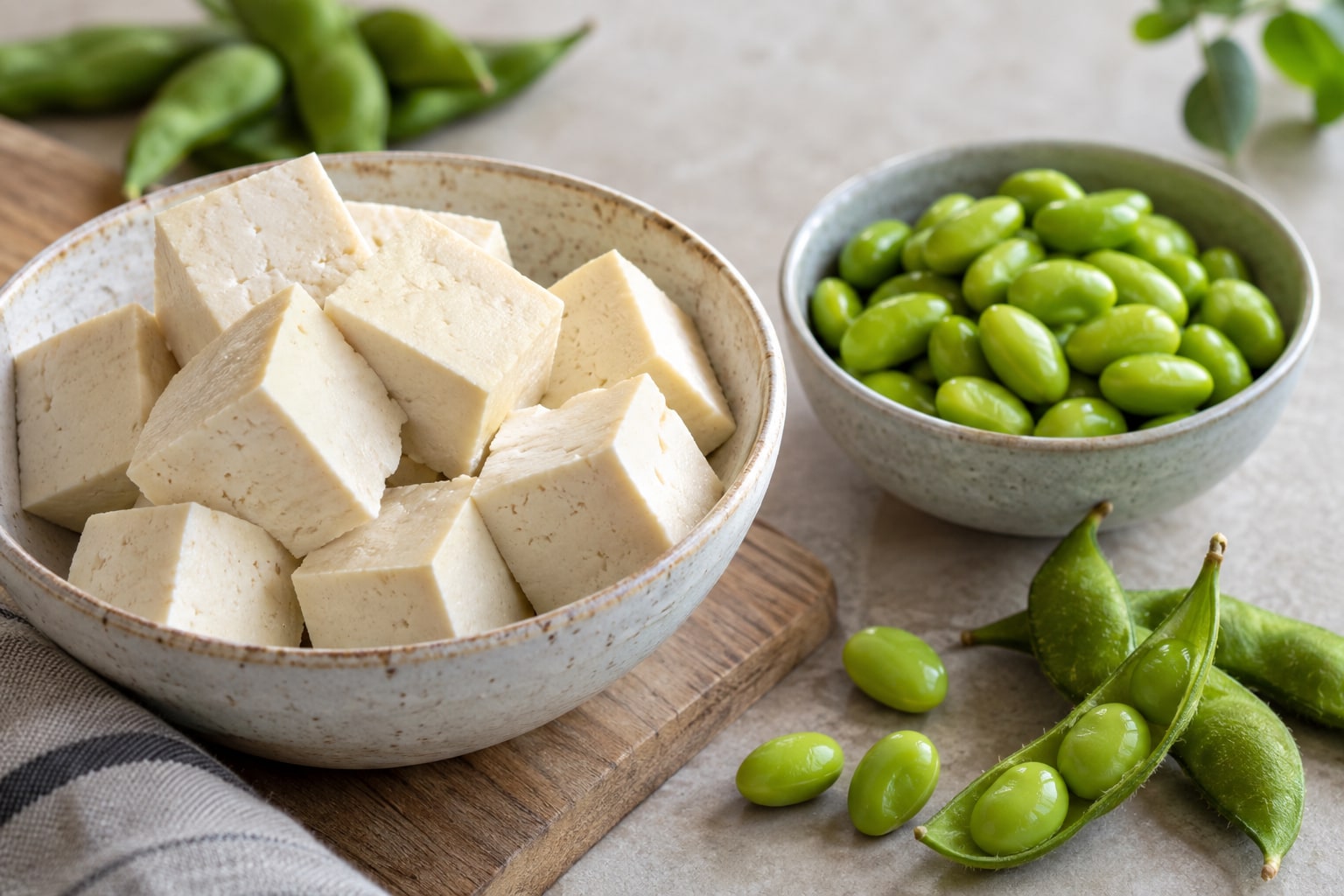
But soy has another benefit: it is also a good source of protein, so you get a double benefit here. Cooked soybeans provide about 18 g of protein per 100 g. Soy is a major allergen.
10. Spirulina
Spirulina supplies very little fat in a normal portion. USDA data for dried spirulina show about 8 g of fat per 100 g and no EPA or DHA; a tablespoon has only about half a gram of fat. Treat it as an extra, rather than your source of healthy fat.
Spirulina is available as a supplement and in powder form. You can add it to smoothies or just to water. You'll probably want to drink it quickly, though, because the taste is not great.
11. Yogurt
Yogurt can be rich in nutrients. It has the same important nutrients as other dairy foods, and many yogurts contain live cultures. Choose yogurt with as little added sugar as possible.
Be aware that most of the fat in whole-milk yogurt is saturated (about 2 g of the 3 g of fat per 100 g), so it counts toward your saturated fat limit. Milk is a common allergen, and people who are lactose intolerant may need lactose-free options.
To sum up the list of foods with healthy fat
Fat has many roles in your body, but it's important to eat the amount that's right for you. There are 9 calories in every gram of fat. If you want to lose weight, pay special attention to your portions.
Fatty fish, seeds, olive oil and eggs are some of the excellent sources of these fats. Do not be afraid of fats. It's time to add healthy fats to your diet; just stick to the right amount.
Frequently asked questions
Which foods have healthy fats and protein?
Fatty fish, eggs, nuts, peanut butter and soybeans give you both. For more protein-rich choices, see the list of high-protein foods.
Do healthy fats help build muscle?
Not directly. Muscle growth comes from training, enough protein and enough total calories. Fat supports that as an energy-dense part of a balanced diet, which helps people who struggle to eat enough while trying to gain.
Are healthy fats good for weight loss?
No food burns fat. Healthy fats can be part of a weight loss diet, but they are energy-dense, so the portion matters more than the type.
What are good healthy fats for breakfast?
Eggs, avocado on whole-grain toast, yogurt with a few nuts, or oatmeal with a spoonful of flaxseed or nut butter.
The information on this page and on this website is intended to provide general information only. The content on this website does not constitute a professional opinion, a recommendation, or a substitute for consulting an expert in a specific field or obtaining a medical opinion. This article is written for healthy adults. It is not medical advice, not dietetic advice and not a personal diet plan. If you have a health condition, a food allergy, are pregnant or breastfeeding, are under 18, or take medication, talk to a doctor or a registered dietitian before changing what you eat.
Sources
Accessed September 18, 2026.
- US Department of Health and Human Services and US Department of Agriculture, "Dietary Guidelines for Americans, 2025-2030" (sections "Incorporate Healthy Fats", "Consume Dairy", "Eat the Right Amount for You"): https://cdn.realfood.gov/DGA.pdf (overview. realfood.gov/)
- MedlinePlus (US National Library of Medicine), "Dietary fats explained" (reviewed 2024-07-24). medlineplus.gov/ency/patientinstructions/000104.htm
- US Food and Drug Administration, "Trans Fat" (updated 2024-04-30). www.fda.gov/food/food-additives-petitions/trans-fat
- US Food and Drug Administration and US Environmental Protection Agency, "Advice about Eating Fish" (updated 2024-03-05). www.fda.gov/food/consumers/advice-about-eating-fish
- US Food and Drug Administration, "Dietary Supplements" (updated 2024-10-01). www.fda.gov/food/dietary-supplements
- National Academies of Sciences, Engineering, and Medicine, "Rethinking the Acceptable Macronutrient Distribution Range for the 21st Century: A Letter Report" (2024), Table 3-1 (AMDRs from IOM 2002/2005). www.ncbi.nlm.nih.gov/books/NBK610333
- Burdge G.C., Calder P.C., "Conversion of alpha-linolenic acid to longer-chain polyunsaturated fatty acids in human adults", Reprod Nutr Dev 2005;45(5):581-597. pubmed.ncbi.nlm.nih.gov/16188209
- USDA Agricultural Research Service, FoodData Central, SR Legacy entries: mackerel, Atlantic, raw (FDC 175119); salmon, Atlantic, farmed, raw (FDC 175167); tuna, light, canned in water, drained (FDC 171986); avocados, raw, all commercial varieties (FDC 171705); chocolate, dark, 70-85% cacao solids (FDC 170273); egg, whole, raw, fresh (FDC 171287); walnuts, English (FDC 170187); peanut butter, smooth style, without salt (FDC 172470); oil, olive, salad or cooking (FDC 171413); flaxseed (FDC 169414); almonds (FDC 170567); soybeans, mature, cooked, boiled, without salt (FDC 174271); spirulina, dried (FDC 170495); yogurt, plain, whole milk (FDC 171284). fdc.nal.usda.gov
- Mohammadi-Sartang M. et al., "The effect of flaxseed supplementation on body weight and body composition: a systematic review and meta-analysis of 45 randomized placebo-controlled trials", Obes Rev 2017;18(9):1096-1107. doi.org/10.1111/obr.12550