
Best Ab Exercises With Weights: Six Moves and a Workout
In short
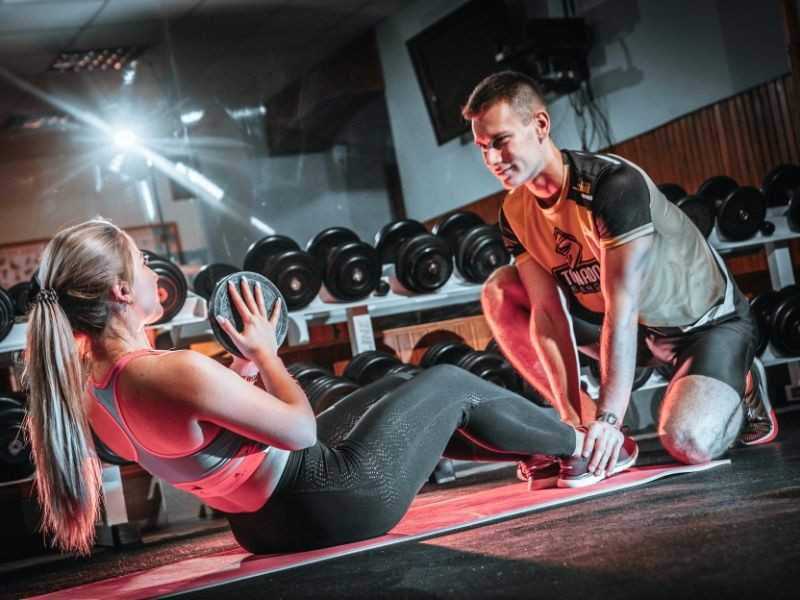
If regular ab exercises no longer challenge you, add weight. The extra load makes familiar moves harder without turning every set into 100 crunches. I'll take you through six weighted ab exercises and give you a workout you can try. Let's start!
Why add weight to ab exercises?
A lot of people do 100 crunches and think that is what will give them a six-pack. You would not do 100 bench presses in every set, so why do 100 crunches in every ab set? Adding weight is one of the best ways to build muscle in your abs.
Choose a weight that makes the last two repetitions a struggle while you can still move with control. I like 8 to 12 reps; if you can do more than 12 good reps, increase the weight. A review of 21 resistance-training studies found similar muscle growth with light and heavy loads when sets were taken to failure, so 8 to 12 is a practical choice, not the only effective range.
1. Weighted crunch
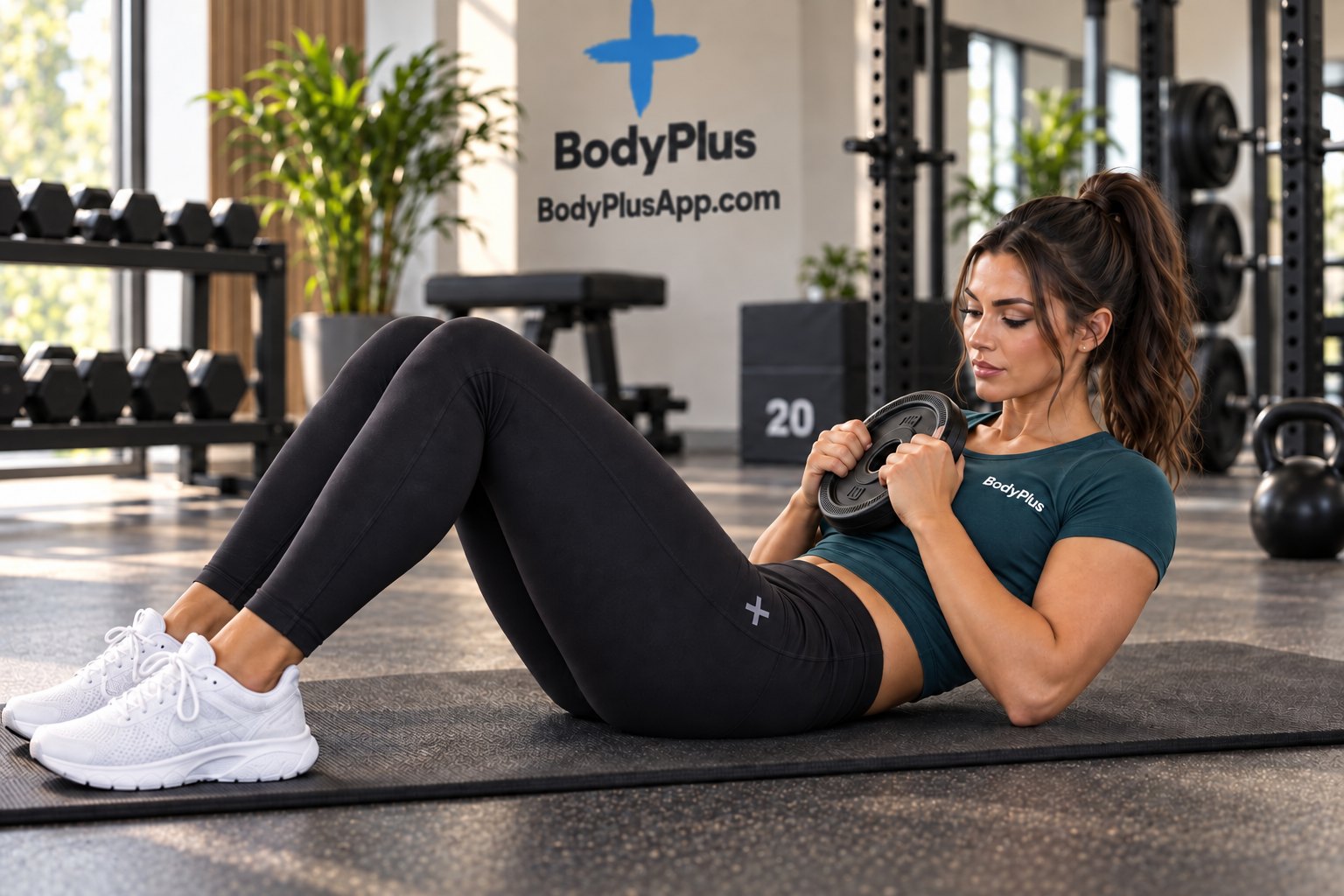
There are many variations of the crunch, but this is the basic one with added resistance. Hold a dumbbell or weight plate against your chest. The exercise mainly targets the rectus abdominis, the muscle people call the six-pack.
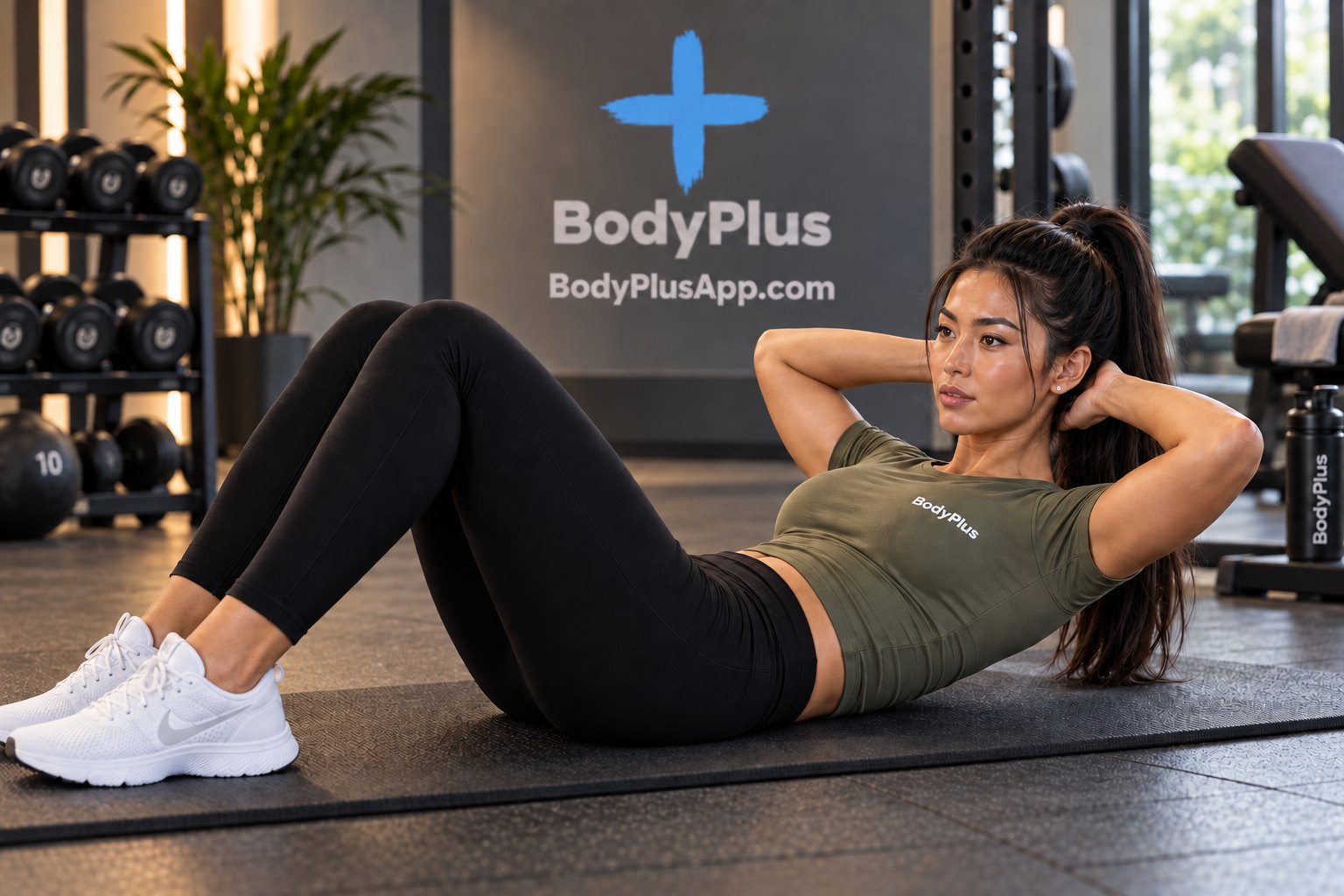
Lie on your back with your knees bent and feet on the floor. Curl your upper body up using your abs, pause when they contract, then lower with control. The common mistake is trying to pull yourself up with your neck and lower back. Keep your lower back steady and your neck in line with your spine; let your abdomen do the bending.
You can also use a plate, a ball or even a water bottle. What matters to me is that you keep the same technique as the load changes.
Home swap: A reverse crunch changes the direction: curl your hips toward your chest instead of curling your chest toward your hips. Start with your knees bent and keep the movement small and controlled.
2. Weighted Russian twist
The Russian twist is an excellent weighted exercise for the obliques, the muscles at your sides. What I like about it is that your abs work in two ways: dynamically as you turn, and statically as you hold your upper body above the floor.
Sit on the floor, lean back and lift your legs. Turn your upper body from side to side while holding a dumbbell, plate or ball. If lifting your legs makes the position too difficult, keep your heels on the floor. The turn is the moving part; holding your torso up is the static part.
3. Weighted plank
The plank is one of the most familiar core exercises. It works your abs and the rest of your core. Many people dismiss it because the regular version feels easy, but there are plenty of ways to make it much harder.
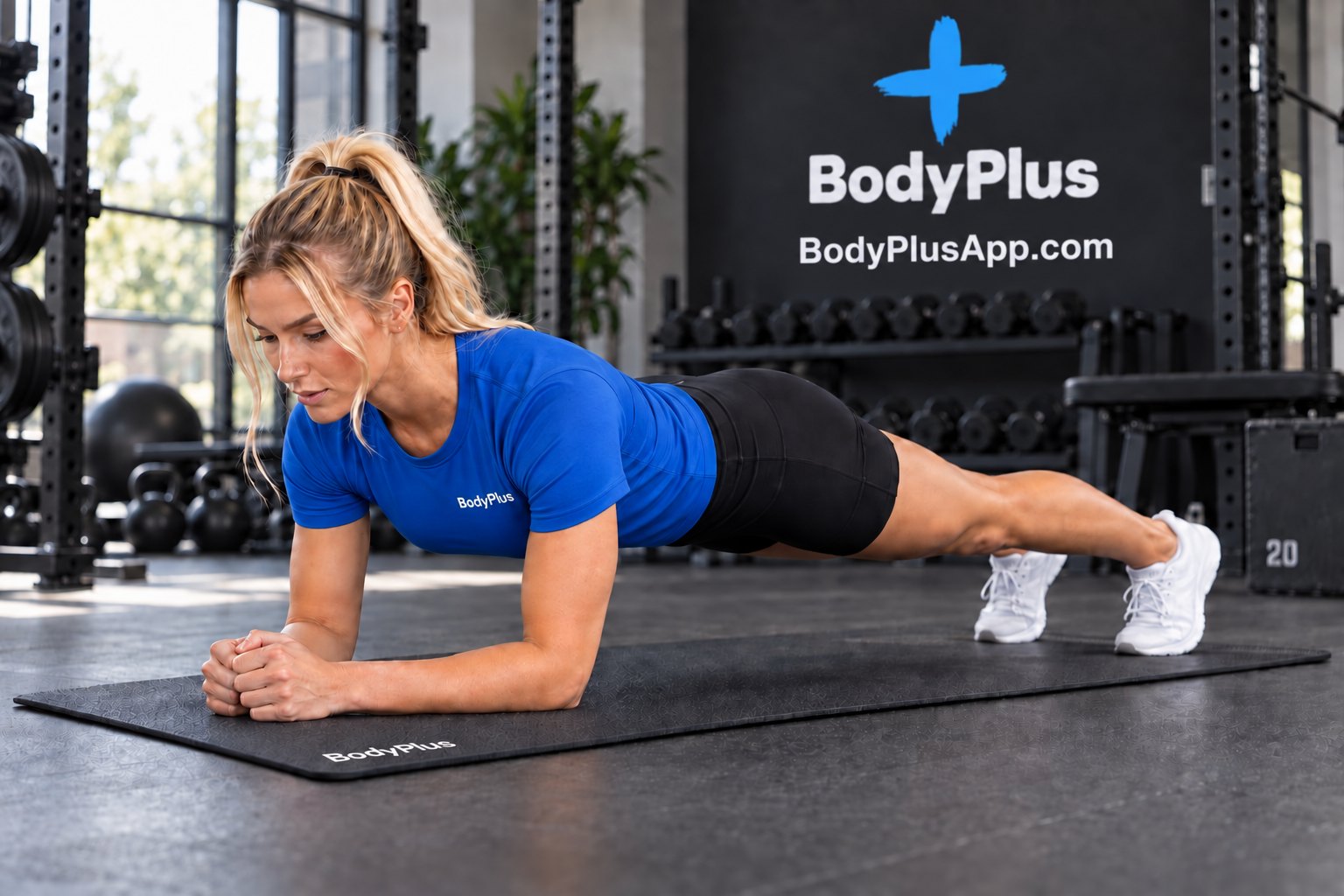
For a weighted plank, you can have someone place a plate on your back, put the weight in a backpack and wear it, or use the self-loaded version shown in a weighted-plank demonstration. Keep your body in a straight line, breathe steadily and end the hold when you can no longer keep that position.
4. Weighted flutter kicks
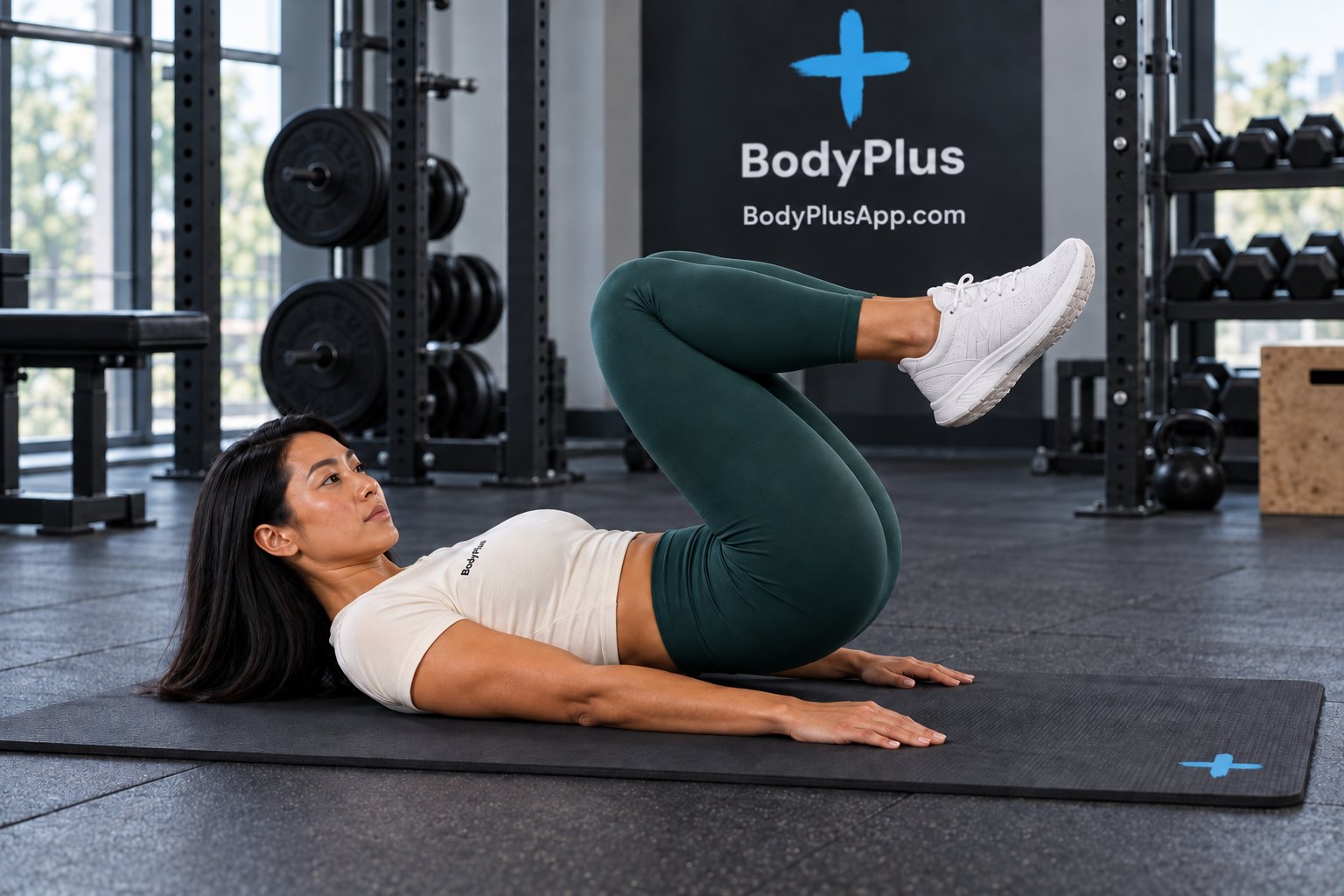
Pilates instructors especially love flutter kicks, and you can do them with weight too. They look easy until you try them. Holding your legs off the floor gives your abs static work; the little up-and-down kicks add movement. More weight makes the hold harder.
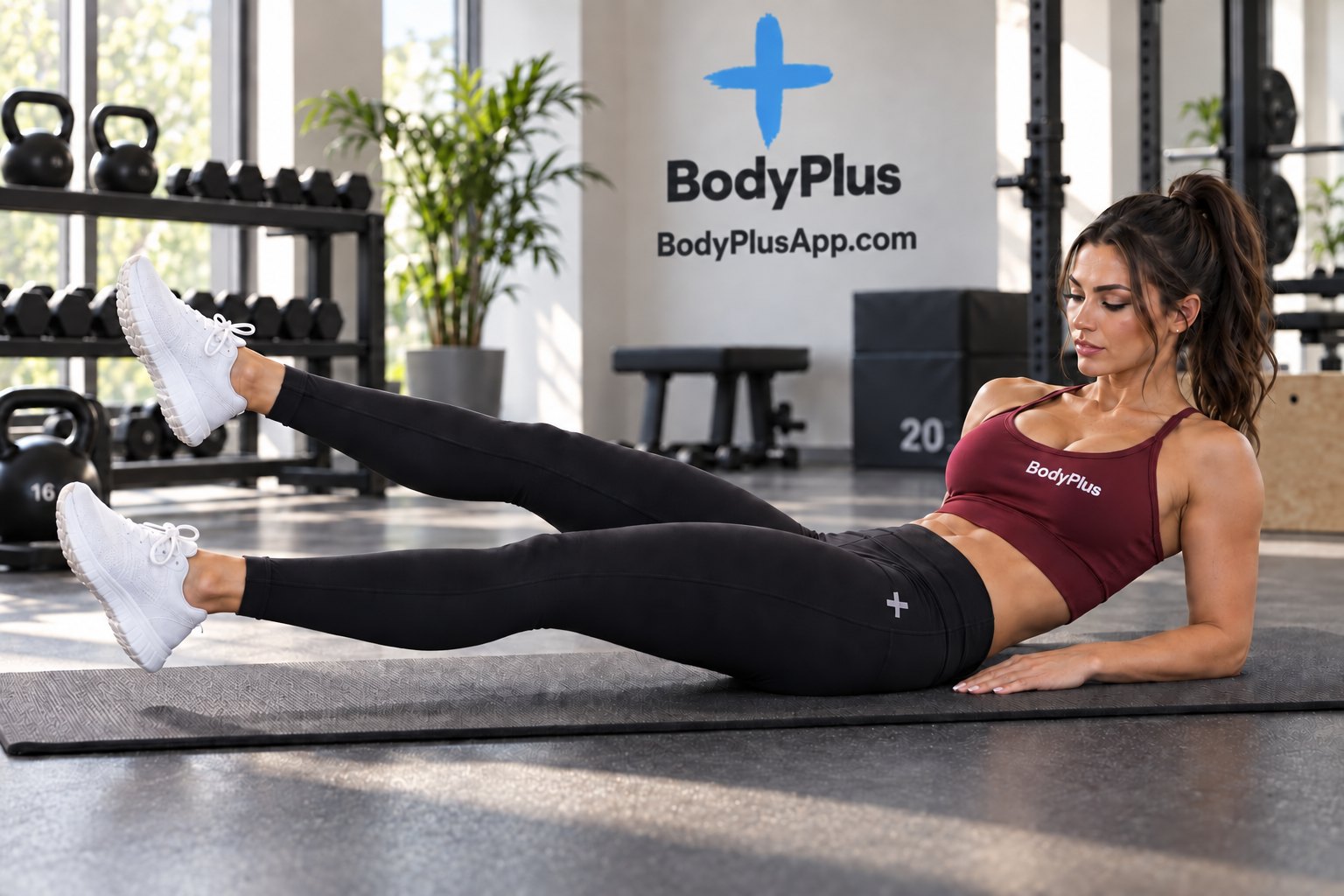
Lie back and lift your upper body and legs a little, then alternate small kicks. Keep your back steady throughout. This also puts work on what people call the lower abs: the lower part of the same abdominal muscle, not a separate muscle. Start without weight; when you can keep that position, hold a light dumbbell against your chest with both hands while your legs keep kicking.
The image below returns to the weighted crunch from exercise one. Keep the plate close to your chest while your abs do the movement; use more weight only while you can keep that control.
5. Weighted V crunch
The weighted V crunch is an advanced, especially difficult crunch variation. Hold a weight and bend your upper body and legs toward one another at the same time. It improves stability, coordination and endurance, and builds muscle in your abs.
Lower yourself more slowly. Your muscles stay under load longer, and you will feel a stronger burn.
6. Weighted leg raise
If you want to emphasize the lower abs, try the weighted leg raise. It is relatively difficult, especially once you add weight.
Lie on the floor or a bench and hold a light weight securely between your feet. Lift your upper body slightly, then raise and lower your legs with control. Keep your back steady. Do not lift your legs too high: you do not want the weight to slip and fall on you.
Sample ab workout
Here is a simple workout built from the exercises above. I would choose a load you can control, then make it harder as the sets become comfortable.
| Exercise | Sets | Reps or time | Rest |
|---|---|---|---|
| Weighted crunch | 3 | 8–12 | 60–90 seconds |
| Weighted Russian twist | 2 | 10–12 each side | 60 seconds |
| Weighted plank | 2 | 30–45 seconds | 60 seconds |
At home, you can use a water bottle for crunches, do flutter kicks without weight until you control the hold, and try a V crunch if you are ready for it. A short log of the exercise, weight and reps helps you decide when to make the next session harder.
Safety
Warm up with a few easy, unweighted repetitions, then start with a light load. Keep the weight secure, and have someone help place and remove a plate for a weighted plank. Move slowly enough to keep your back steady, and use the plank guide to practise the position before adding weight. End the set if you feel pain or dizziness, or if your form starts to break down. For leg raises, use only a weight you can hold securely between your feet, stop if it starts to shift, and do not raise your legs so high that it could fall on you. Give your abs time to recover between hard sessions, increase the load only when you can keep every repetition controlled, and go lighter or use bodyweight if you cannot.
What the research says
Ab training can build muscle, but a visible six-pack also depends on body fat. In a 6-week study, 24 untrained adults who did seven ab exercises five days a week while keeping their diet the same improved ab endurance; their belly fat, waist size and body fat did not change more than in the inactive group. A later small study in 16 overweight men found about 0.7 kg more trunk fat loss when part of running was replaced with light-load crunches and torso rotations at the same total energy use; total fat loss was similar. Those two results are mixed, and the local effect in the later study was small.
A 2023 review of 40 trials in adults with chronic low back pain found that trunk-focused exercise programs improved pain and disability compared with no exercise, and slightly more than general exercise. That research concerns people who already had back pain; it is not a promise that these six moves will treat it.
The review of 21 resistance-training studies found similar muscle growth with light and heavy loads when sets were taken to failure; heavier loads built more maximal strength. A 2026 American College of Sports Medicine position stand reported better muscle growth with about 10 or more sets per muscle group per week. It was not specific to abs.
Bottom line
If bodyweight ab work no longer challenges you, try adding resistance to a crunch, Russian twist, plank, flutter kick, V crunch or leg raise. Keep the movement controlled, and pick the variation that lets your abs do the work. Start with the simple workout above and build from there.
Frequently asked questions
What is the best ab exercise with weights?
There is no single one for everyone. I would start with a weighted crunch, then add a twist and a hold. Pick a weight you can control through the whole rep.
What weighted ab exercises can I do at home?
Try a crunch with a water bottle, a Russian twist with a light weight, or a weighted plank with a backpack. Flutter kicks can start without weight.
What are the best lower ab exercises?
Leg raises, reverse crunches and flutter kicks all make the lower part of the six-pack muscle work. There is no separate lower-ab muscle.
How many crunches do I need?
I prefer controlled repetitions to racing through 100. If you can do more than 12 good reps with your chosen weight, add a little resistance.
Will ab exercises burn belly fat?
They train your ab muscles. In one 6-week trial, ab exercises alone did not reduce belly fat more than in the inactive group. The two studies described above give mixed results on local fat loss.
What if an ab exercise hurts my back or neck?
Stop that set. Check your position and try a lighter or easier variation that feels comfortable.
The information on this page and on this website is intended to provide general information only. The content on this website does not constitute a professional opinion, a recommendation, or a substitute for consulting an expert in a specific field or obtaining a medical opinion. It is not medical advice. BodyPlus is not a medical device. If you have a health condition or an injury, or are pregnant, talk to a qualified healthcare professional before starting. Stop exercising and seek appropriate help if you feel pain, dizziness or other concerning symptoms.
Sources
Accessed September 17, 2026.
- Vispute S.S. et al., "The effect of abdominal exercise on abdominal fat", J Strength Cond Res 2011;25(9):2559-2564. pubmed.ncbi.nlm.nih.gov/21804427
- Brobakken M.F. et al., "Abdominal aerobic endurance exercise reveals spot reduction exists: A randomized controlled trial", Physiol Rep 2023;11(22):e15853. pubmed.ncbi.nlm.nih.gov/38010201
- Prat-Luri A. et al., "Effect of Trunk-Focused Exercises on Pain, Disability, Quality of Life, and Trunk Physical Fitness in Low Back Pain and How Potential Effect Modifiers Modulate Their Effects: A Systematic Review With Meta-analyses", J Orthop Sports Phys Ther 2023;53(2):64-93. pubmed.ncbi.nlm.nih.gov/36645193
- Schoenfeld B.J. et al., "Strength and Hypertrophy Adaptations Between Low- vs. High-Load Resistance Training: A Systematic Review and Meta-analysis", J Strength Cond Res 2017;31(12):3508-3523. pubmed.ncbi.nlm.nih.gov/28834797
- Currier B.S. et al., ACSM Position Stand, "Resistance Training Prescription for Muscle Function, Hypertrophy, and Physical Performance in Healthy Adults: An Overview of Reviews", Med Sci Sports Exerc 2026;58(4):851-872. pubmed.ncbi.nlm.nih.gov/41843416