
9 Best Bicep Exercises: Form Tips and Workout
In short
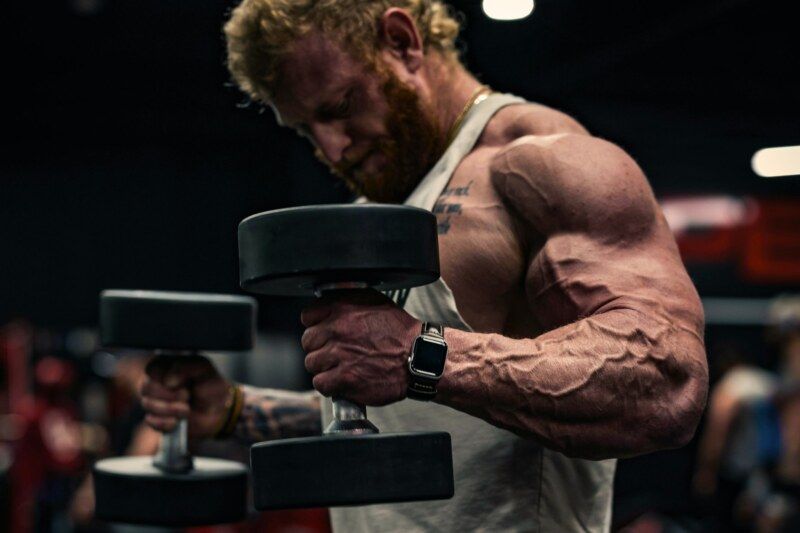
There are so many biceps exercises that it can be hard to know which are worth doing. My nine choices are the barbell curl, chin-up, dumbbell curl, machine curl, incline curl, band curl, EZ-bar curl, hammer curl and reverse-grip curl. I'll show you why I chose each one and how to put them into a workout.
The biceps is not the biggest or strongest muscle in your body, but there is no doubt it puts on the best show. Let's start!
Before we get to the exercises and the workout plan, I want to explain how the biceps is built. Once you understand its structure, it will be easier to choose exercises, put them in the right order and adjust the sets and intensity.
Here are the nine exercises at a glance:
| Exercise | Main focus | Equipment | Good for |
|---|---|---|---|
| Barbell curl | whole biceps | barbell | heavier loads |
| Chin-up | biceps, lats, upper back, forearms | pull-up bar | a compound option |
| Dumbbell curl | whole biceps | dumbbells | full range with a wrist turn |
| Machine curl | whole biceps, a bit more short head | curl machine | control, beginners, drop sets |
| Incline dumbbell curl | long head (stretched) | dumbbells, incline bench | the stretched position |
| Band curl | whole biceps | band | training anywhere |
| EZ-bar curl | biceps, brachialis, forearms | EZ bar | less wrist stress |
| Hammer curl | brachialis, forearms | dumbbells | forearms and grip |
| Reverse-grip curl | forearms and grip (coaching view), brachialis | barbell or EZ bar | grip, complete arms |
How your biceps is built
Let's start with a short, quick explanation of the biceps.
The biceps brachii has a short head and a long head. Both start around the shoulder. Together they bend your arm at the elbow and support your pulling movements. Arm position changes how the load is shared between the heads.
- Long head: on the outer side of the arm. It works more when your elbows are behind your body. My coaching cue is to try a wider grip to emphasize it.
- Short head: on the inner side of the arm. It works more when your elbows are in front of your body. I use a narrower grip when I want to emphasize it.
Muscles that help the biceps
A few main muscles support the movement:
- Brachialis: a muscle under the biceps that bends the elbow in every curl and also helps stabilize the joint. Thumbs-up and palms-down curls give it more of the work (see the hammer curl and the reverse-grip curl below).
- Brachioradialis: a muscle in your forearm. It is not part of the biceps, but it works directly with it. You can't build serious arms without strong forearms.
To get the most muscle growth, plan your training so it works every part of the muscle.
Tips for every biceps exercise
Turn your hand when you use dumbbells
The main jobs of the biceps are to bend the elbow and rotate the forearm. When you curl a dumbbell, turn your hand so your palm faces up. That extra turn helps you use a fuller range and squeeze the biceps harder. This tip is for dumbbells, where your hand can turn freely.
Use the right weight
One of the most critical mistakes in biceps workouts is using weights that are too heavy. The biceps is a small muscle; it cannot handle the same weights as your legs, back or chest. Choose a weight your biceps can control. If it is too heavy, you will probably use momentum or help from your shoulders, and the biceps gets less work.
Keep your elbows in place
The main purpose of the biceps is to bend the elbow. In a curl, I want the movement to come from your forearms, with your elbows close to one spot. When your elbows travel forward, your shoulders take some of the load and your biceps gets less of the work.
The 9 best biceps exercises
1. Barbell curl
The barbell curl is the most classic biceps exercise. Its technique is easy to learn, all parts of the biceps work, and the bar lets you lift heavier weights.
- Stand straight with your elbows close to your body and a shoulder-width grip.
- Bend your elbows to curl the bar up.
- At the top, pause for one second, then lower the bar slowly back to the start.
Because you can go fairly heavy here, there is a tendency to get help from the shoulders. That seriously reduces how well the exercise works, so avoid it as much as you can.
2. Chin-up
There is no doubt this is one of the most powerful exercises for building biceps. The chin-up (an underhand pull-up) works the lats, traps, rhomboids, biceps, forearms and more. What makes it special is that you work the biceps from both directions, at the shoulder and at the elbow.
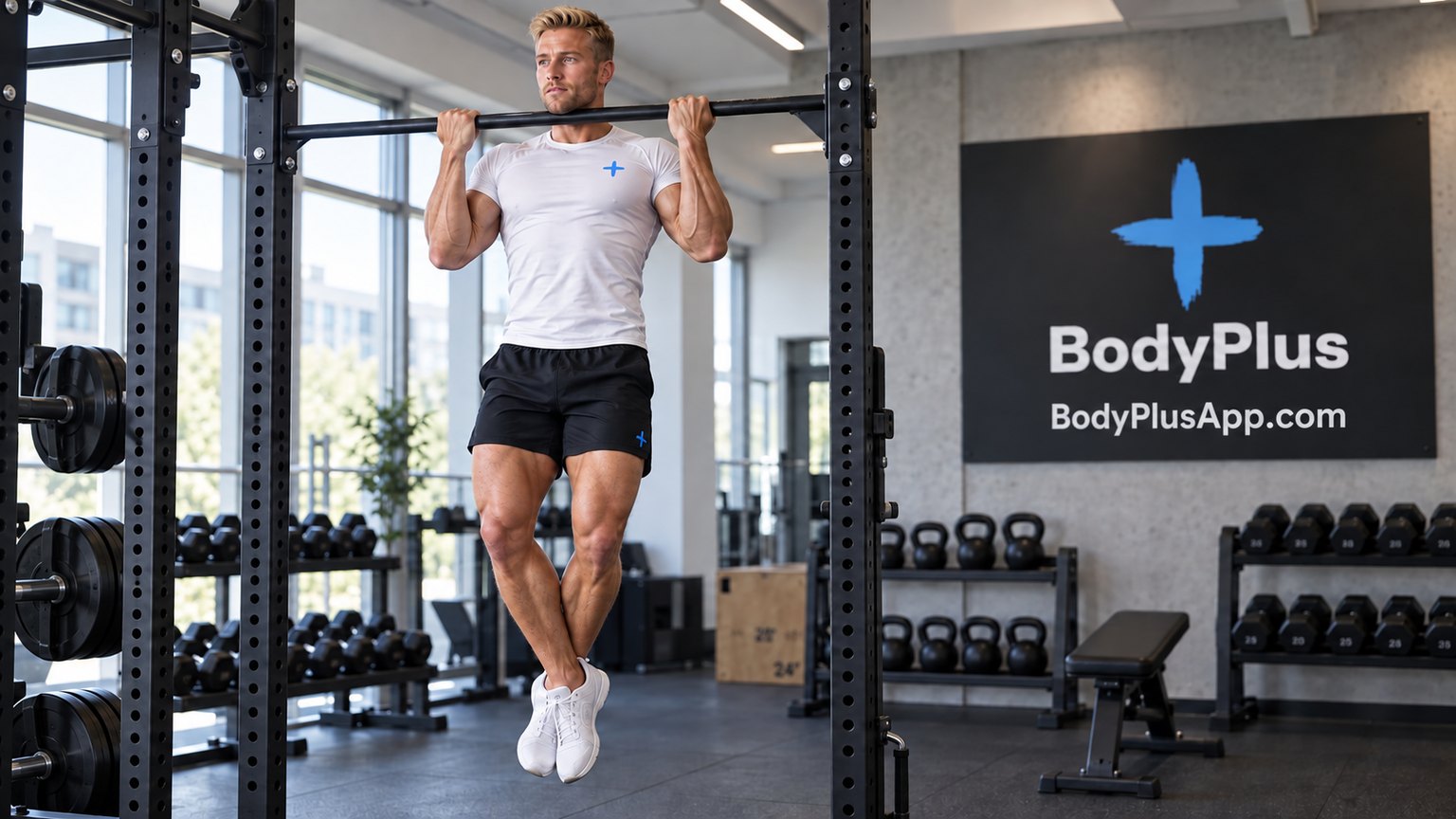
Your body uses many muscles together in a movement, as movers or stabilizers. That is why I like this exercise for building a solid base for your biceps.
- Hang with your palms facing you, hands about shoulder-width apart.
- Pull until your chin is over the bar, without swinging.
- Lower yourself all the way under control.
Can't do a chin-up yet? Do a lat pulldown with an underhand grip or a band-assisted chin-up instead.
3. Dumbbell curl
The dumbbell curl is an exceptional biceps exercise, but I have one condition: work both arms at the same time. If you keep alternating arms, the arm that is not working rests, and that takes intensity out of the set.
First, you can use a large range of motion by turning your hand during the curl. Second, dumbbells help correct an imbalance between your right and left arms, because both sides carry their own load.
- Stand with a dumbbell in each hand, palms facing your thighs.
- Curl both arms together, turning your palms up as you lift.
- Lower under control until your arms are straight.
Don't stop at the bottom of the movement; start the next rep right away. Resting between reps lowers the intensity of the set, because the muscle gets a break.
4. Machine curl
The machine curl uses a machine that holds your elbows in place. It works the biceps, and not every gym has one, which is a shame because it has several advantages:
- The machine keeps the movement controlled, so it minimizes momentum and cheating.
- It is great for beginners and for people who struggle to feel their biceps with a barbell or dumbbells.
- You can change the resistance easily.
- You can get a very strong pump with it.
- It is excellent for drop sets (lowering the weight and continuing right away).
Turn your elbows slightly outward and see if you feel the biceps more.
5. Incline dumbbell curl
The seated incline curl lets you work the biceps in a stretched position and through a huge range of motion. Few exercises give you that. The stretch and enormous range help stimulate the muscle for growth, which is why I like this exercise so much.
The exercise emphasizes the long head, and it reduces the use of momentum from the shoulders.
- Sit on a bench set to about 45 to 60 degrees, arms hanging straight down.
- Curl without moving your upper arms forward.
- Lower all the way.
This is not an exercise for heavy weights. Use higher reps for a maximum pump. Do not stop between reps; the pause drops the intensity. If the stretch bothers the front of your shoulder, raise the bench a little.
6. Resistance-band curl
Training at home, or want to vary your workout? Do curls with a resistance band. Simply stand on the band, hold the ends with both hands, and bend your elbows.
Bands give you resistance through the movement, and you can adjust the load by how far you stretch them. There are many variations to try, and you can take the bands almost anywhere.
7. EZ-bar curl
Some people prefer to curl with an EZ bar, because a straight bar hurts their wrists. These are the main differences between the two:
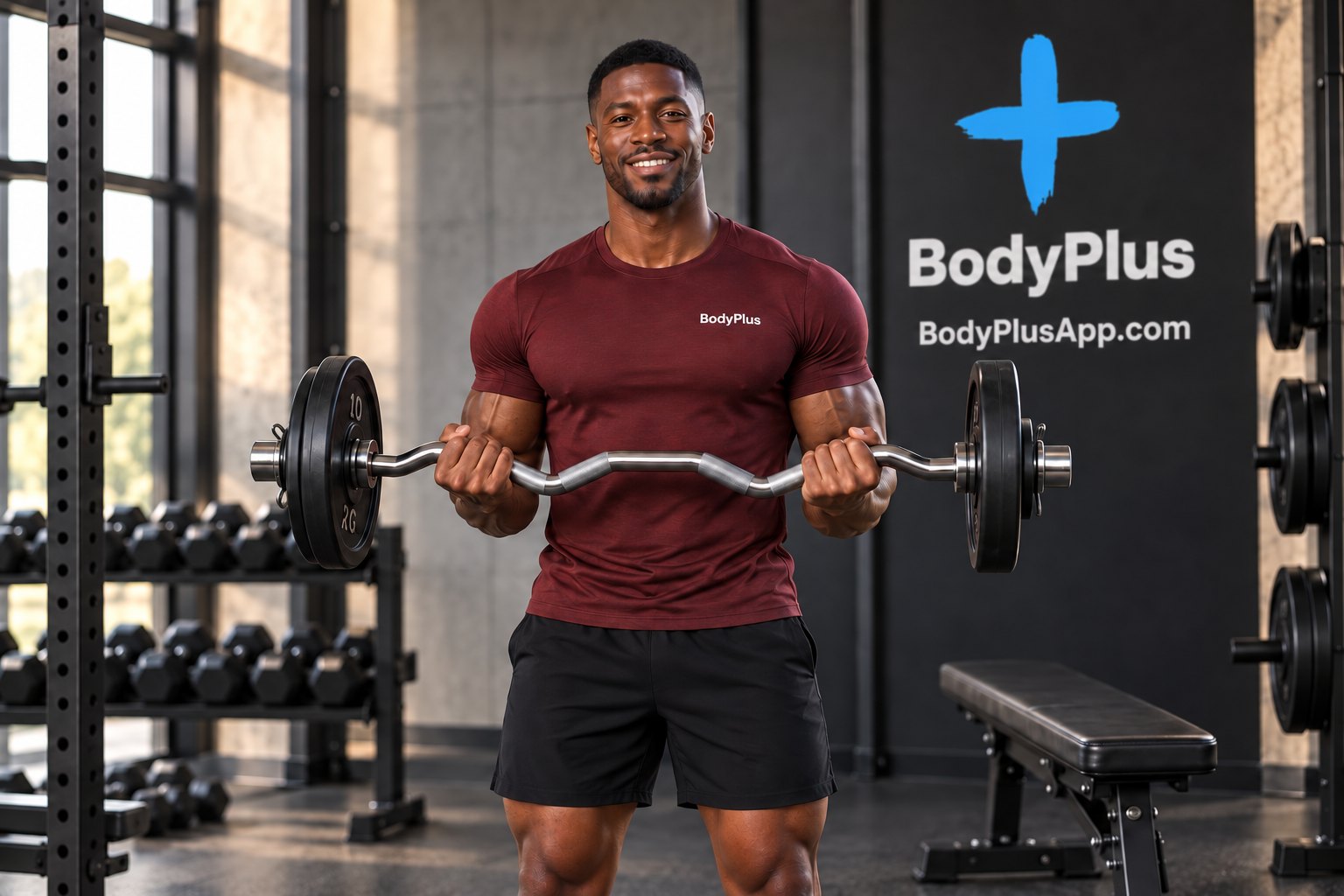
- The EZ bar puts less stress on your wrists and forearms.
- The straight bar is better for activating the biceps because it turns your forearms fully palms-up (full supination).
- With the EZ bar's angled grip, more of the load goes to the brachialis and the forearms.
- Many people can lift a little more weight with the EZ bar.
If you can use the straight bar without wrist pain, stick with it.
8. Hammer curl
To build powerful arms, you have to strengthen your forearms too, and hammer curls can be a great choice for that.
Hammer curls (dumbbells held thumbs up) emphasize the forearms and the brachialis. Compared with other forearm exercises, the hammer curl puts little load on the wrist, so it is usually easy on that area. It also strengthens your grip.
Do this exercise with both arms together, or do a full set with one arm and then the other. Don't keep alternating, or the other arm rests in the meantime.
9. Reverse-grip barbell curl
In the reverse-grip barbell curl, hold the bar with your palms facing down. I use it for the forearms, brachialis and grip to round out an arm workout. One EMG study of 10 competitive bodybuilders doing non-exhaustive cable-curl sets measured about 19% more biceps activity with palms up than with palms down, and slightly more activity in a forearm muscle (the brachioradialis) with palms up too, so treat the common "palms down works the forearms more" idea as a coaching view, not a measured result. Muscle activity in one session also does not predict growth.
It can help strengthen your grip and support your progress in regular curls. Note that this is not an exercise for heavy weights. You are better off with a light weight and higher reps, 12 or more.
Other biceps exercises worth knowing
You might wonder why the concentration curl is not in my nine when one test found high biceps activation with it. That test measured muscle activity during the exercise; it does not tell us which nine make the best full workout. I chose my nine to give you curls with different grips and arm positions, a chin-up, and an option for training at home.
- Concentration curl: sit on a bench, brace the back of your upper arm against your inner thigh, and curl one dumbbell slowly. Bracing the arm removes help from the shoulder. In an ACE-sponsored test, this curl produced the highest biceps activation.
- Preacher curl: a preacher bench fixes your upper arm in front of your body, like the curl machine, which reduces cheating and favors the short head.
- Cable curl: a cable keeps tension on the biceps through the whole curl; good as a gym alternative to the band curl.
What research says about biceps exercises
- In an ACE-sponsored study with 16 men and women, the concentration curl (bracing the upper arm on the inner thigh) produced significantly higher biceps activation than the other seven exercises tested.
- A study of three dumbbell curls found that the shoulder position changes where in the movement the biceps works hardest: the incline curl and the standard curl activated it similarly across the movement, while the preacher curl worked it hard over a shorter part of the movement.
- In a 10-week study, preacher cable curls and behind-the-body cable curls built similar size and strength.
- The takeaway: there is no single magic curl. Mix arm positions for variety and comfort, control every rep, and add weight or reps over time.
The cable-curl study discussed above measured the highest forearm activity with palms up, so my hammer-curl recommendation is coaching advice rather than a measured result from that study.
How many biceps exercises in a workout?
The number of exercises depends on your level and your program. In a full-body program, you might do 3 to 4 biceps sets in a workout three times a week. In an ABCD split, you might do 12 to 16 sets in one biceps workout once a week. Your biceps also work during rows and pull-ups.
Biceps workout plan
Here is a sample session with different arm positions and rep ranges. I would choose weights that let you control every rep, then adjust the work to your level and the rest of your program.
| Arm position | Gym choice | Home or no-weights swap |
|---|---|---|
| Arms at your sides | barbell or EZ-bar curl | band curl |
| Arms behind your body | incline dumbbell curl | band curl with the band anchored low behind you, stepping forward |
| Arms in front of your body | machine, preacher or concentration curl | concentration curl with a water jug or dumbbell |
| Thumbs up or palms down | hammer or reverse-grip curl | band hammer curl |
| Compound (optional) | chin-up | chin-up on a securely installed doorway bar |
For a split or arm day, this is one example:
| Exercise | Sets | Reps | Rest |
|---|---|---|---|
| Barbell or EZ-bar curl | 3 | 6-10 | 90 s |
| Incline dumbbell curl | 3 | 10-15 | 60-90 s |
| Hammer curl (both arms together) | 3 | 10-12 | 60 s |
| Reverse-grip curl | 2 | 12-15 | 60 s |
That is 11 sets. On a pull day, I would usually choose one or two curl exercises because rows and pull-ups have already worked your biceps.
Write down your sets so you can see when to add a rep or a little weight. For example:
| Date | Exercise | Weight | Set 1 | Set 2 | Set 3 |
|---|---|---|---|---|---|
| Tue | EZ-bar curl | 25 kg (about 55 lb) | 10 | 9 | 8 |
| Fri | EZ-bar curl | 25 kg (about 55 lb) | 10 | 10 | 10 |
| next Tue | EZ-bar curl | 27.5 kg (61 lb) | 8 | 8 | 7 |
Add a rep before adding weight, keep your elbows close to one spot, and move up only when the sets stay clean.
Start with a load you can control, and end the set if your form breaks down, you feel pain or you get dizzy. Before a chin-up at home, check that the doorway bar is securely installed and stable. Keep each rep controlled, and choose a lighter variation when you need one.
Safety
Warm up with light curl sets, then choose a working weight you can control. Secure weight plates with collars, adjust the curl-machine seat so your elbows line up with its pivot, and check that your pull-up bar is secure and your resistance band is undamaged. Lift and lower steadily, keeping your elbows nearly in place rather than swinging your shoulders to finish a rep. End the set if you feel pain, your form breaks down or you get dizzy, and put the weights down safely. Keep incline curls and reverse-grip curls lighter than your regular curls instead of forcing the same weight. For detailed setup and technique, see my barbell curl and dumbbell curl guides.
Bottom line
The biceps plays a big part in bodybuilding and in building strong arms. Today, TikTok and Instagram are full of biceps exercises, and not all of them are worth your time. I have given you my nine choices and explained why each one earns its place.
To build muscle, understand how the biceps is built, choose exercises that work it in different positions, and plan your sets and reps. Start with a workout you can control and use your notes to see what to do next time.
Frequently asked questions
What is the best biceps exercise?
The concentration curl had the highest activation in one ACE-sponsored test, but that single test cannot choose your whole workout. My nine give you different grips and arm positions, a chin-up, and a home option. Choose the ones you can control and fit into your plan.
How many sets per week for biceps?
It depends on your program: for example, 3 to 4 sets three times a week in a full-body program, or 12 to 16 sets once a week in an ABCD split. Your back exercises add biceps work too.
Straight bar or EZ bar?
The straight bar turns your palms up more fully; the EZ bar is easier on the wrists. If the straight bar doesn't hurt, stick with it.
Why don't my biceps grow?
Common reasons: too much weight with swinging, too few weekly sets, and no tracking. Control the reps and add weight gradually.
Are curls enough for the biceps?
Curls are the core, but chin-ups and rows add a lot of biceps work too.
Which exercises work the long head?
Curls with your arms behind your body, such as the incline dumbbell curl.
Should I alternate arms in dumbbell and hammer curls?
I prefer both arms together, or a full set per arm, so neither arm rests during the set.
Can I train biceps at home or without weights?
Yes: band curls, chin-ups on a doorway bar, and concentration curls with any heavy household object you can hold safely.
The information on this page and on this website is intended to provide general information only. The content on this website does not constitute a professional opinion, a recommendation, or a substitute for consulting an expert in a specific field or obtaining a medical opinion. It is not medical advice. BodyPlus is not a medical device. If you have a health condition or an injury, or are pregnant, talk to a qualified healthcare professional before starting. Stop exercising and seek appropriate help if you feel pain, dizziness or other concerning symptoms.
Sources
Research sources accessed September 17, 2026; the Coratella study checked September 26, 2026.
- Young S. et al., "ACE Study Reveals Best Biceps Exercises", ACE ProSource, August 2014. www.acefitness.org/continuing-education/prosource/august-2014/4933/ace-study-reveals-best-biceps-exercises
- Oliveira L.F. et al., "Effect of the shoulder position on the biceps brachii EMG in different dumbbell curls", J Sports Sci Med 2009;8(1):24-29. pubmed.ncbi.nlm.nih.gov/24150552
- Attarieh P. et al., "Comparison Between Shoulder Flexed and Extended Positions in Elbow Flexion Resistance Training on Regional Hypertrophy and Maximum Strength", Eur J Sport Sci 2025;25(4):e12279. pubmed.ncbi.nlm.nih.gov/40082069
- Vigotsky A.D. et al., "Longing for a Longitudinal Proxy: Acutely Measured Surface EMG Amplitude is not a Validated Predictor of Muscle Hypertrophy", Sports Med 2022;52(2):193-199. pubmed.ncbi.nlm.nih.gov/35006527
- Coratella G. et al., "Biceps Brachii and Brachioradialis Excitation in Biceps Curl Exercise: Different Handgrips, Different Synergy", Sports (Basel) 2023;11(3):64. pubmed.ncbi.nlm.nih.gov/36976950