
How to Do Dumbbell Curls: Form, Muscles Worked and Variations
In short
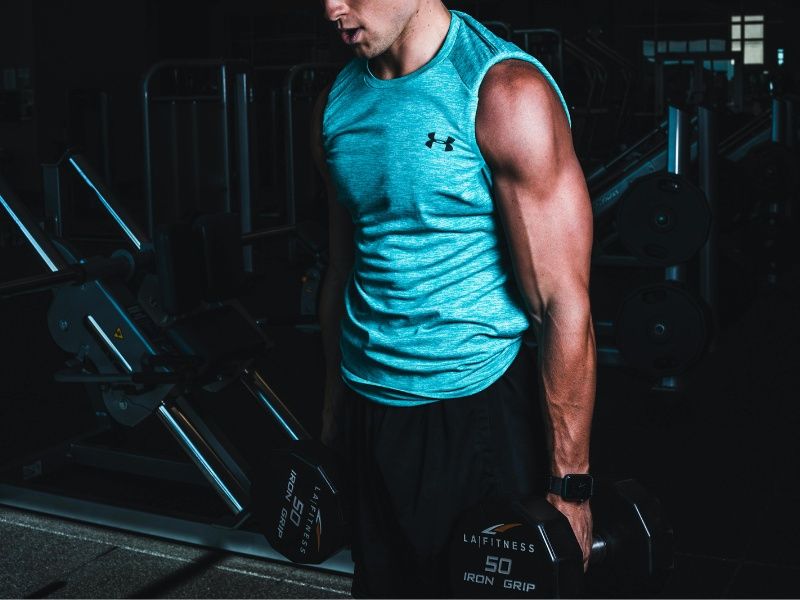
To do a dumbbell curl, stand tall with a dumbbell in each hand at your sides, palms facing forward and your elbows close to your body. Bend your elbows to lift the weights until your biceps is fully squeezed, pause for a second, then lower them slowly until your arms are almost straight. Only your forearms move: your elbows and shoulders stay still.
Almost everyone knows that the standing dumbbell curl is one of the most effective exercises for building strong arms. But are you really getting its full potential? In this guide you will find everything you need to know about it: the benefits, the technique, common mistakes, tips, variations and more. So let's begin!
The dumbbell curl is an exercise that isolates the biceps, the muscle at the front of your upper arm. Your forearms also work, so it helps you strengthen them too. It is usually done in a medium-to-high rep range, between 8 and 12 reps. For a full arm workout with more exercises, see my guide to the best bicep exercises.
Muscles worked
The main muscles that work in the curl are the biceps and the forearms.
| Muscle | Where it is | Role in the curl |
|---|---|---|
| Biceps brachii | front of the upper arm | the main mover: bends the elbow and turns the palm up |
| Brachialis | under the biceps | bends the elbow in every curl |
| Brachioradialis | forearm, thumb side | helps bend the elbow in every curl grip |
| Front of the shoulders, upper back, core | shoulder and trunk | hold your upper arms and body still |
Benefits of the dumbbell curl
Builds strong biceps
The dumbbell curl is an excellent exercise that lets you focus the load with amazing precision on the biceps. You can also work through the full range of motion of the muscle.
The ability to focus the load precisely on the muscle, together with the large range of motion, will bring you to maximum stimulation of the muscle fibers.
Balance between your two arms
Every person has one side that is stronger. When you work with a bar or a machine, the stronger arm takes a bigger share of the load than the other one. This can keep an imbalance going, because one arm is working more all the time.
Dumbbells let you load each arm separately. That helps you reduce the imbalance in strength between your two sides, and you notice quickly if one arm lags behind.
Building forearms and a strong grip
The curl also activates and strengthens the muscles that help the biceps: the brachialis in your upper arm and the brachioradialis in your forearm. Strengthening them will improve your grip strength and make them bigger, for a strong, balanced arm.
Lots of ways to do the exercise
The beauty of this exercise is that you can do it in lots of ways: with a bar, dumbbells, straps, bands and even a kettlebell. It is also worth saying that you don't need a lot of weight. Just do it with correct technique and you will already feel the pump!
How to do a dumbbell curl with good form
- Stand with your feet shoulder-width apart.
- Pick up the dumbbells and let your arms hang at the sides of your body.
- Turn your palms forward.
- Press your elbows against your body.
- Straighten your back, turn your chest slightly upward and bend your knees slightly for better stability.
- Now start the movement: bend your elbows to raise your forearms until your biceps is fully contracted.
- When you reach maximum contraction, pause for a moment and try to squeeze as hard as you can.
- Then lower the dumbbells under control. A tip from me: don't straighten your arms all the way. If you do, the load drops off the biceps, the stimulation to the muscle fibers decreases and the set becomes less effective.
- Do the number of reps you planned until the end of the set.
The key to success in the dumbbell curl is to keep your elbows pressed against your body throughout the whole movement. Your shoulders need to stay still.
Also make sure your palms always face forward. Otherwise part of the load on the biceps moves to the forearms.
Alternating or both arms together?
You can curl both dumbbells at the same time or take turns, one arm after the other. When you alternate, the arm that is not lifting gets a short rest on every rep, so the set is easier than it looks. If you want the hardest set for each arm, curl both together, or do a full set with one arm and then a full set with the other.
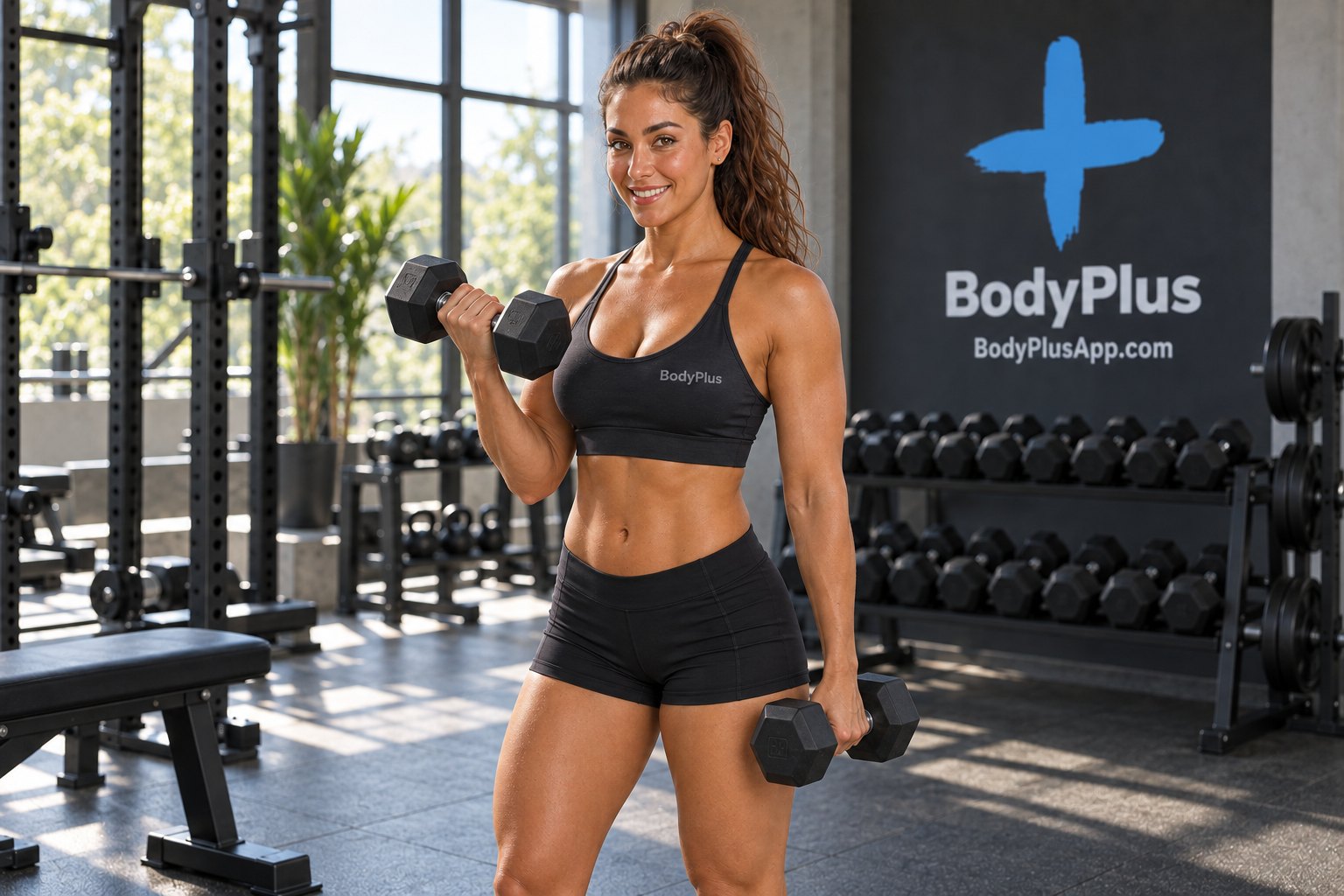
The alternating curl is still a fine choice if it helps you keep clean form, for example with heavier dumbbells. Keep your body still and don't twist from side to side as you switch arms.
Common mistakes and how to fix them
1. Using swing
This is without a doubt the most common mistake in the exercise. Many people exaggerate with the weight they choose, and then they use movements from the back and shoulders to lift it.
Look, the biceps is a relatively small muscle. It is not able to lift very heavy weights. Choose a low weight, and focus on contracting and stretching the muscle as well as you can. That is the main goal in every exercise, not to lift as much weight as possible.
Tip: try to keep your elbows pressed against your body as much as possible. In most cases this will neutralize the use of momentum.
2. Gripping the dumbbells too hard
People who grip the dumbbells too hard will not feel the biceps working, but the forearms. A grip that is too strong diverts part of the load from the biceps to the forearms and the joints.
This mistake happens when the body tries to compensate for a lack of strength in the biceps. Many times it will also cause pain in the wrist.
Tip: practice the exercise with very light dumbbells (4-6 kg, about 9-13 lb). Hold the weight with a loose grip and bend your elbows as hard as you are able to. Think of your arm as a lifting hook; this will help you develop a good mind-muscle connection.
Tips for better curls
- Choose the right weight. Choose a weight with which you can keep correct technique. Remember, the goal in this exercise is to focus the load precisely on the biceps, not to lift as much weight as possible.
- Don't stop between reps. To increase the pump and the intensity of the exercise, keep tension in the muscle all the time. At the end of the lowering movement don't stop, but start another rep right away.
- Use the right pace. Keep a pace of 2 seconds up and 2 seconds down.
- Lock your shoulders. Squeeze your shoulder blades back and down. This helps stop your shoulders from taking the load away from the biceps.
- Grip width changes the emphasis. With a narrow grip on a bar, the emphasis is on the outer side of the biceps. A wide grip gives more emphasis to the front side of the muscle.
Variations
Standing barbell curl
Here you simply replace the dumbbells with a bar (see my barbell curl guide). The bar allows you to lift a higher weight, and the technique is very similar to the dumbbell version. It is worth changing your variation every month or two. This helps keep your body from getting used to the exercise, and it keeps your workouts different and not boring.
Incline dumbbell curl
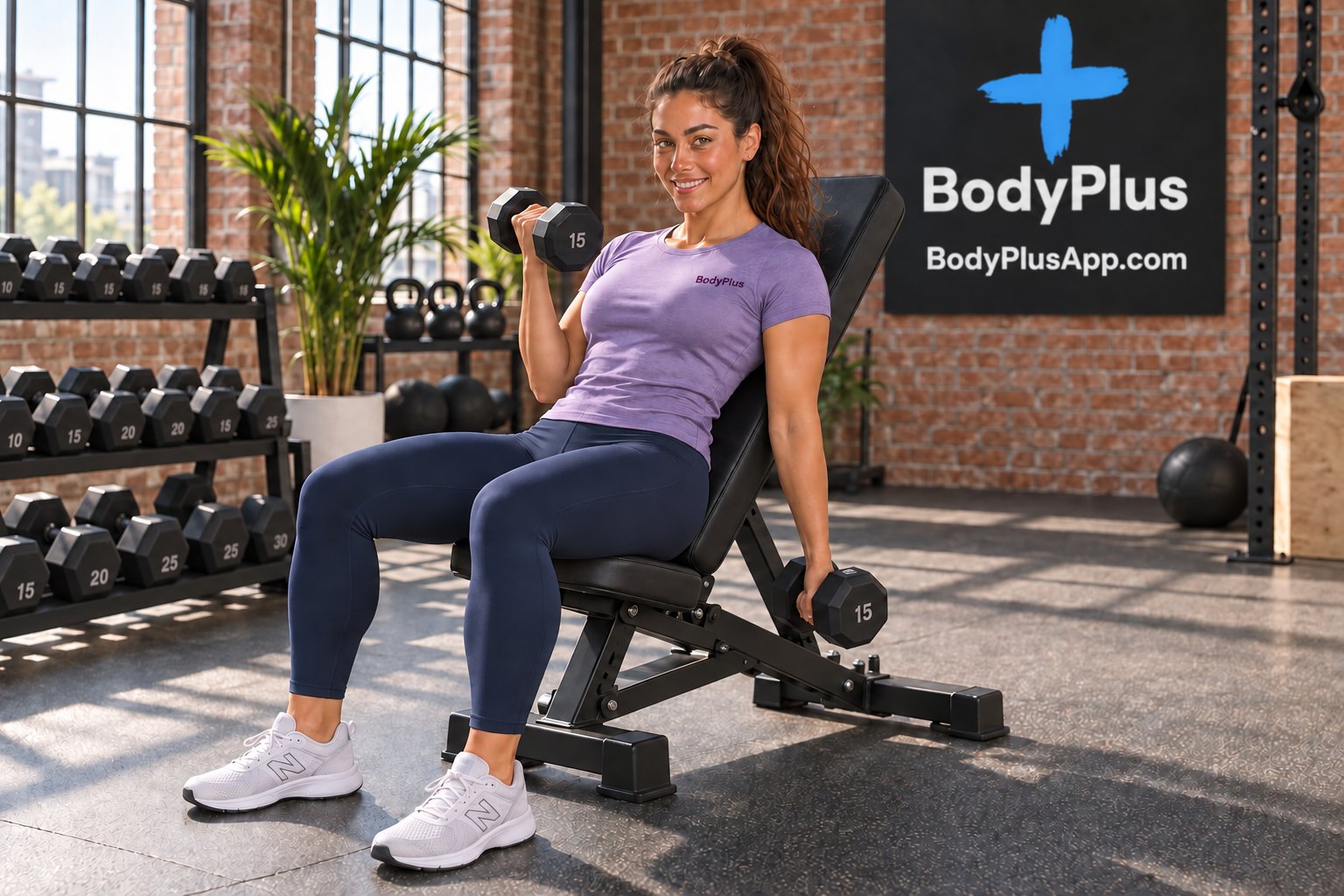
An excellent exercise in which you work the biceps in the position where it is most stretched. The goal here is to lift a light weight and concentrate as much as possible on contracting the muscle. You can do it sitting upright on a bench set to 90 degrees, or on an incline bench. It is better to do a high number of reps to get the most out of the feeling.
Low cable curl
You want to curl, but someone grabbed the dumbbells you need? Don't waste time waiting until they finish. Do your curls on a low cable pulley instead: attach a handle or a bar to the cable machine and start.
Machine curl
Every gym worth its name has a special machine for curls, and bodybuilders love it. You place your elbows on a pad. The pad stops your elbows from moving, so you can feel your biceps working really well.
Hammer curl
The hammer curl is a curl done with your thumbs pointing forward (palms facing each other). It is an excellent addition to a biceps workout because it works the brachialis, the muscle on the side of the arm between the biceps and the triceps. It will also help you build the forearms and strengthen your grip.
Seated and concentration curls
A seated dumbbell curl limits how much your body can help, and the concentration curl (upper arm braced against your inner thigh) removes almost all of it. Both are good options when you catch yourself swinging.
Sets, reps and where the curl fits
- Reps: 8-12 per set, with a weight you can control on every rep.
- Sets: 2-4 is a common starting point, with about 60-90 seconds of rest.
- Effort: a common guideline is to finish most sets when you could do only one to three more clean reps.
- Order: after your heavy compound lifts (rows, pull-ups, presses). On a pull day, your biceps are already warm and worked, so one or two curl exercises are usually enough.
Sample arm finish for a pull day
| Exercise | Sets | Reps | Rest |
|---|---|---|---|
| Dumbbell curl (both arms together) | 3 | 8-12 | 60-90 s |
| Incline dumbbell curl | 2 | 12-15 | 60 s |
| Hammer curl | 2 | 10-12 | 60 s |
How to track it and when to go heavier
| Session | Weight per dumbbell | Set 1 | Set 2 | Set 3 |
|---|---|---|---|---|
| Week 1 | 10 kg (about 22 lb) | 12 | 10 | 9 |
| Week 2 | 10 kg (about 22 lb) | 12 | 11 | 10 |
| Week 3 | 10 kg (about 22 lb) | 12 | 12 | 11 |
| Week 4 | 10 kg (about 22 lb) | 12 | 12 | 12 |
| Week 5 | 12 kg (about 26 lb) | 9 | 8 | 8 |
This table is an example, not a target. When every set reaches the top of your rep range with clean form, move up to the next pair of dumbbells. Expect your reps to drop after the jump. If you start swinging or can't reach 8 reps, go back to the lighter pair and add a slower lowering phase first.
What research says about curls
- Palm position: in one study of 10 competitive bodybuilders doing two-arm curls (sets of 6 reps with an 8-rep-max weight, stopped short of failure), biceps activity while lifting was higher with palms up than with palms down or thumbs up. This measured muscle activity in experienced lifters in one session, not growth.
- Arm position: a study of 22 people found that the standard dumbbell curl and the incline curl kept the biceps (long head) highly active across the whole movement, while the preacher curl worked it hard over a shorter part of the range. The loads were light (40% of maximum effort), with a single rep per exercise.
- Range of motion: a systematic review of 11 studies found that training through the full range, or in the stretched part of it, tended to build more biceps size than partial reps near the top. That fits with lowering the dumbbells well down on every rep.
- A note on these studies: muscle activity measured in one session does not reliably predict long-term growth, so use activity studies to choose between similar options, not as proof of results.
Safety
Start with a weight you can curl with clean form on every rep, and do one lighter warm-up set first, for example with the 4-6 kg pair. If your back arches or your body swings, the dumbbells are too heavy for that rep, so end the set or go lighter. Keep your knees slightly bent and lower the weights under control instead of letting them drop. When the set is over, put the dumbbells down on the floor or a bench rather than dropping them from standing height, and keep your feet out of the way.
If a wrist or elbow complains, hold the dumbbells more loosely and switch to a lighter weight or a hammer grip. Stop the set if you feel pain or dizziness.
Bottom line
Trainees and bodybuilders agree: the standing dumbbell curl is an outstanding exercise for building strong biceps. To get everything it offers, make sure you use perfect technique and follow the tips in this guide.
It is important to remember: the central goal of the exercise is to stimulate the muscle fibers in the best way, not to lift as much weight as possible.
Frequently asked questions
Should I alternate arms or curl both at once?
Both work. Curling both arms together, or doing a full set per arm, makes the set harder, because when you alternate, each arm rests while the other one lifts.
How heavy should my dumbbells be?
Heavy enough that 8-12 clean reps are hard, and light enough that you never need to swing. If you can't keep your elbows still, the weight is too heavy.
Should my palms face forward the whole time?
Yes, that is my cue: keep your palms facing forward from the first rep to the last. In the palm-position study above, biceps activity was higher with palms up than with palms down or thumbs up.
What is the difference between a hammer curl and a dumbbell curl?
In the hammer curl, your thumbs point forward the whole time (palms facing each other). It gives more of the work to the brachialis and builds your forearms and grip, while the regular curl, with palms forward, puts more of it on the biceps.
Is a seated curl better than a standing one?
Neither is better for everyone. Sitting makes it harder to use your body to help; standing lets you use a little more weight. Many people use both.
Why do I feel curls in my forearms?
Usually because you grip too hard. Use a lighter weight, relax your grip and keep your palms facing forward.
The information on this page and on this website is intended to provide general information only. The content on this website does not constitute a professional opinion, a recommendation, or a substitute for consulting an expert in a specific field or obtaining a medical opinion. It is not medical advice. BodyPlus is not a medical device. If you have a health condition or an injury, or are pregnant, talk to a qualified healthcare professional before starting. Stop exercising and seek appropriate help if you feel pain, dizziness or other concerning symptoms.
Sources
Accessed September 17, 2026.
- Coratella G. et al., "Biceps Brachii and Brachioradialis Excitation in Biceps Curl Exercise: Different Handgrips, Different Synergy", Sports (Basel) 2023;11(3):64. pubmed.ncbi.nlm.nih.gov/36976950
- Oliveira L.F. et al., "Effect of the shoulder position on the biceps brachii EMG in different dumbbell curls", J Sports Sci Med 2009;8(1):24-29. pubmed.ncbi.nlm.nih.gov/24150552
- Kassiano W. et al., "Which ROMs Lead to Rome? A Systematic Review of the Effects of Range of Motion on Muscle Hypertrophy", J Strength Cond Res 2023;37(5):1135-1144. pubmed.ncbi.nlm.nih.gov/36662126
- Vigotsky A.D. et al., "Longing for a Longitudinal Proxy: Acutely Measured Surface EMG Amplitude is not a Validated Predictor of Muscle Hypertrophy", Sports Med 2022;52(2):193-199. pubmed.ncbi.nlm.nih.gov/35006527